
WE SHIP WORLDWIDE
What Is the Hype About Altra Shoes?
Why runners keep talking about Altra - technologies, top Models, and who they fit
I coach runners, and I run enough miles each week to have strong opinions about shoes. Altra is one of those brands that sparks real emotion. Some people try them once and never go back. Others try them once, feel their calves light up, and swear off the brand forever. That split is exactly why there is “hype.” Altra does not feel like everything else, and the difference is not just marketing - it is geometry, fit, and how your foot is allowed to move.
If you keep seeing Altra in your feed, at trailheads, or at the start line, here is the simple reason: the brand is built around two ideas that many runners wish more companies would take seriously - a foot-shaped fit and a level platform. Add modern cushioning foams, legit trail grip on key models, and a lineup that covers daily training through racing, and you get a shoe that feels like it has a point of view.
In this article I’m going to break down the hype from a runner and trainer perspective: what Altra’s core technologies actually do, which models are the “safe first pick,” which ones are cult classics, and how to transition without turning your calves into concrete.
The quick answer: why people love Altra
If you only remember one thing, make it this: Altra is loved because it lets feet act more like feet. The toe box gives your forefoot room, and the platform encourages a more natural stance. For runners who feel squeezed, unstable, or “tipped forward” in traditional shoes, that can feel like instant relief.
- FootShape Fit: a more anatomical toe box so toes can splay, especially helpful on long runs and descents.
- Zero Drop platform: heel and forefoot at the same height, aiming for a more natural alignment and stride.
- EGO foam family: different cushioning compounds for daily miles, max cushion comfort, and faster running.
- Trail-first details: strong outsole options on many trail models, gaiter-ready features on some, and stability choices for runners who need guidance.
Altra Technology
1. FootShape Fit - why the toe box is not just “wide”
Most brands scale width like a simple rectangle: narrow, medium, wide. Altra’s approach is different. The front of the shoe is shaped more like a real forefoot. That matters because toes are supposed to spread when you load the foot. When they cannot, you often see the classic runner complaints: numb toes, black nails, blisters between toes, and that cramped “I can’t wait to take these off” feeling after 60 minutes.
As a coach, I see FootShape Fit help two groups fast:
- Long-run runners: swelling happens, and extra forefoot room prevents hot spots.
- Trail runners: descents push toes forward, and toe splay can add stability on uneven ground.
Also important: Altra does not only offer one shape. They have multiple “FootShape Fit” options across the line, from roomier to more performance-oriented fits, so you can choose how much space you want up front without swimming in the midfoot.
2. Zero Drop - the feature that creates love or hate
“Zero Drop” means your heel and forefoot sit the same distance from the ground. Altra built its identity on this level platform, and it is a real change if you are coming from a typical 8-12 mm drop trainer.
Here’s what I tell athletes: Zero Drop does not magically fix form. What it does is change where your body feels the work. Many runners notice:
- More calf and Achilles load at first (especially if your ankles are stiff).
- A more grounded stance that can feel stable and balanced.
- Less “high heel” sensation, which some runners feel helps posture and stride rhythm.
That calf load is the reason for the backlash when people transition too fast. If you do it right, Zero Drop can feel smooth and natural. If you do it wrong, you feel it the next morning on the stairs.
3. The Altra EGO foam family - how cushioning got modern
Altra used to be pigeonholed as “wide toe box, zero drop, kind of minimal.” That is not the full story anymore because the foam options are now a real system. A useful way to think about it:
- Altra EGO: the daily-driver feel - responsive enough, durable enough, not overly soft.
- Altra EGO MAX: tuned for softer, more luxurious cushioning with a little extra bounce, common in max cushion models.
- Altra EGO PRO: the faster foam for performance models, designed to be lighter and more responsive.
As a trainer, this matters because cushioning is not “more is better.” Cushioning is “what keeps your form stable at the end of the run.” Some runners want a stable, steady feel for daily mileage. Others want a softer landing for recovery days. Others want pop for workouts. The EGO family lets Altra cover that spectrum.
4. Stability without forcing your foot - GuideRail and arch support systems
One of the biggest misconceptions is that Altra is only for neutral, efficient runners. Not true. The brand has stability models designed to guide motion without feeling like a brick under the arch.
Depending on the model, you may see technologies like:
- GuideRail: guidance features that aim to support when needed, rather than constantly pushing your foot.
- InnovArch (in some lines): midfoot structure intended to support the arch and reduce excessive collapse.
If you want the Altra feel but you know you fatigue into overpronation late in runs, start with a stability model instead of hoping a neutral shoe will “train you out of it.” Shoes are tools. Use the right tool.
Trail tech that actually matters: outsole grip, rock protection, and gaiter readiness
On trails, hype is earned the hard way. A shoe becomes popular because it survives rocks, mud, scree, and sloppy landings. Altra trail models built their reputation with a few practical ingredients:
- Traction-first outsoles: many trail models use lugged patterns designed for mixed surfaces, and some versions feature premium rubber on specific models.
- Rock protection options: certain models include rock plates or protective layers for sharp terrain.
- Gaiter-friendly details: on some trail shoes, there are features designed to help attach gaiters and keep debris out.
The reason you see Altra at ultra distances is simple: when feet swell and terrain gets sloppy, a foot-shaped forefoot plus a stable platform can be a huge comfort advantage.
Top Altra road models - what they are best for
Road runners usually enter Altra through a daily trainer. Here is my coach-style breakdown of the road lineup you will hear about most often.
| Model family | Why it is popular | Best for | Runner type |
|---|---|---|---|
| Torin | Cushioned daily trainer feel with a roomy, comfortable ride | Easy runs, daily mileage, long steady runs | Runners who want comfort first without feeling unstable |
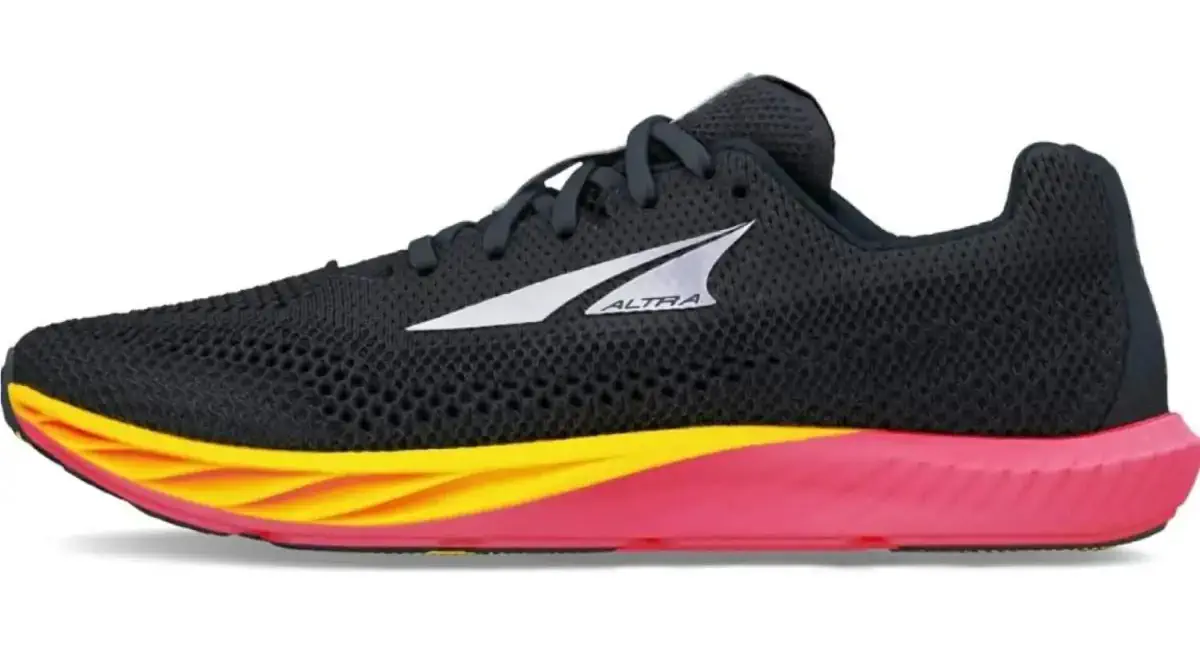
| Escalante | Flexible, more “natural” feel, often a favorite for stride feedback | Daily runs, gym crossover, faster casual runs | Runners who like ground feel and a simple, lively ride |
| Rivera | A balanced daily trainer option that sits between soft and snappy | Everyday training, mixed pace weeks | Runners who want one shoe to do most things |
| Provision / Paradigm | Stability-focused models designed to guide without harsh posting | Daily training with added support, fatigue miles | Runners who need stability or want a more guided feel |
| Vanish (Tempo or Carbon) | Performance feel for workouts and racing (more speed-focused geometry) | Intervals, tempo runs, race day | Runners who like Altra fit but want a faster shoe |
| FWD VIA (max cushion) | High stack comfort for easy mileage and recovery days | Recovery runs, long easy days | Runners who want maximum protection and comfort |
Coach tip: if you are unsure, start with a daily trainer, not a race shoe. You want your first Altra experience to be forgiving while your lower legs adapt.
Top Altra trail models - the cult classics and why they sell
Trail running is where Altra became a “thing.” If you run trails, you have probably heard the same names repeated like gospel. Here is what those models typically represent in real-life training:
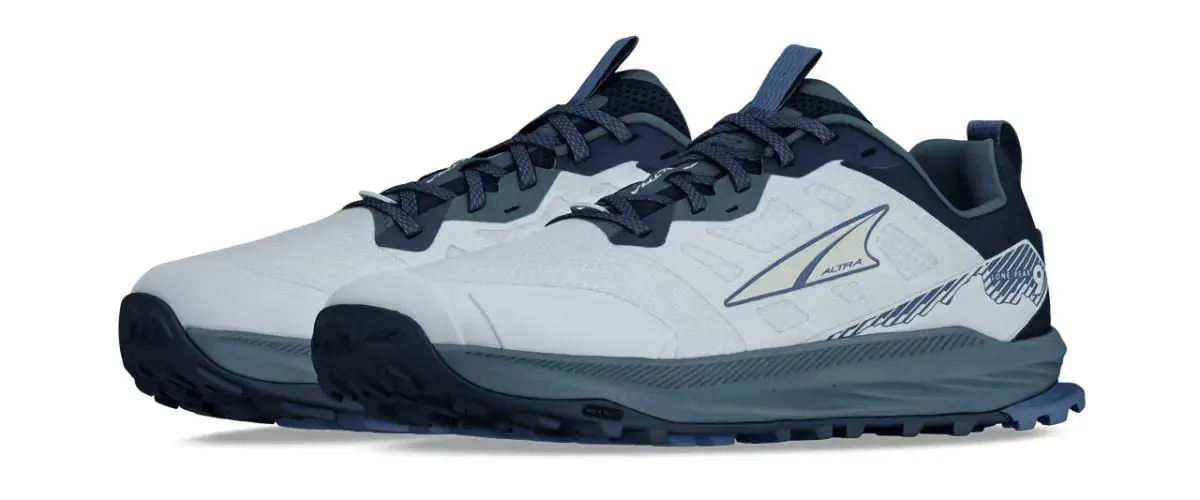
- Lone Peak: the do-it-all trail icon. Great for runners who want a reliable, versatile shoe for mixed trail conditions and long days.
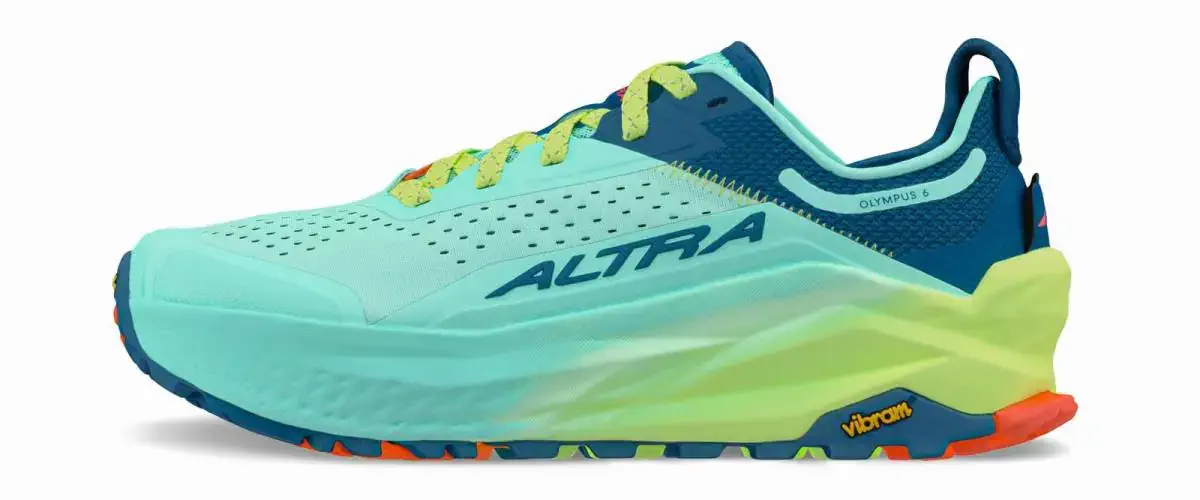
- Olympus: max cushion trail comfort. This is the “my legs are tired, but I still have miles” shoe.
- Timp: a middle ground between nimble and cushioned. Many runners find it hits the sweet spot for everyday trail training.
- Superior: lighter and more minimal. Better for runners who want agility and do not need max protection.
- Mont Blanc: performance trail focus. Often chosen for faster trail running and racing, depending on version.
If you only run one trail shoe all year, Altra Lone Peak is often the default recommendation because it is versatile. If you run long and your legs get beat up, Altra Olympus is the comfort pick.
Best-selling Altra models - what the market keeps choosing
“Best seller” changes by region and season, but the pattern is consistent: daily comfort on road and versatility on trail win. In practice, models like Torin (road daily training) and Lone Peak (trail daily and long runs) repeatedly show up as top movers because they match how most people actually run: lots of easy miles, lots of steady training, and weekend long runs.
The honest part: who should be careful with Altra
As a trainer, I love Altra for the right runner. I also want you to avoid the classic mistakes.
You should be cautious if:
- You have current Achilles pain or chronic calf issues and you are coming from higher drop shoes.
- Your ankles are very stiff and you tend to overstride, because the adaptation period can feel harsher.
- You want a shoe to fix your training load. Shoes do not replace smart progression.
This does not mean “do not buy Altra.” It means “transition like an adult.” Which brings us to the most important coaching section in this article.
How to transition to Zero Drop without getting injured (my runner-coach plan)
If you are moving from an 8-12 mm drop shoe to Zero Drop, treat it like adding strength training. Start small, earn volume.
Week 1-2: walk in them, then add 10-20 minute easy jogs, 2-3 times per week.
Week 3-4: make one easy run per week an Altra run (20-40 minutes), keep everything easy.
Week 5-6: add a second run, slowly build your long run portion (for example, last 15-20 minutes in Altra).
Two rules that prevent 90% of problems:
- Do not race the transition. Your aerobic system adapts faster than tendons.
- Strengthen calves and feet. Simple calf raises and short foot exercises go a long way.
If you do this, most runners adapt smoothly and start to feel why Altra is different in a good way.
My “pick your Altra” cheat sheet
If you want a fast decision based on how you train, use this:
- I run mostly road, easy miles, and I want comfort: Torin or a max cushion option.
- I want a more flexible, natural feel shoe: Escalante.
- I want one road shoe that can handle mixed training: Rivera.
- I need stability when I fatigue: Provision or Paradigm.
- I run trails and want one versatile shoe: Lone Peak.
- I run long trails and want maximum protection: Olympus.
- I want a balanced trail trainer feel: Timp.
- I want a faster shoe for workouts or racing: Vanish line.
FAQ: What is the hype about Altra shoes?
What makes Altra different from other running shoe brands?
Altra is best known for a FootShape toe box that lets toes splay more naturally and a Zero Drop platform (heel and forefoot at the same height). Many runners also love the brand's range of EGO cushioning foams across road, trail, and racing models.
Are Altra shoes good for beginners?
They can be, but the Zero Drop geometry may load calves and Achilles more than a higher drop shoe at first. Beginners should transition gradually and start with short runs or walks before doing long efforts.
Do Altra shoes help with knee pain?
Some runners report that a more natural stride and posture feel better for knees, but results vary. Fit, training load, and gait matter more than any single shoe feature.
Which Altra model is best for road running?
Altra Torin is a popular cushioned daily trainer, Escalante is a more flexible feel shoe, and Rivera sits in between for a lighter daily ride. Choose based on cushioning preference and how much structure you want.
Which Altra model is best for trail running?
Lone Peak is the classic do-it-all trail choice, Timp is a cushioned trail trainer, Olympus is a max cushion trail cruiser, and Superior is a lighter, more nimble option.