
WE SHIP WORLDWIDE
What are the best selling athlete signature lines?
A Nike fan guide to the signature lines that keep selling
Ask any sneakerhead what the most successful athlete signature line is, and you will hear the same name before you hear anything else: Jordan. As a Nike sportswear fan, I love that answer, because it proves something bigger than hype. The best selling signature lines are the ones that deliver on two fronts at the same time: they perform when you actually move, and they look right when you just live your life.
This article is my fan-first, shop-smart breakdown of the athlete signature lines that consistently dominate shelves, wish lists, and street style. We will cover the signatures that sell year after year, why they work, and how to choose the right line for your sport and your wardrobe. You will also get quick shopping filters, a comparison table, and a decision guide to help you buy your first signature piece without guessing.
Quick answer: the best selling athlete signature lines (the names you keep seeing)
If you want the short list first, these are the athlete signature lines that are widely considered the biggest movers in sportswear history and today, based on longevity, constant updates, and how often they get re-released, restocked, and worn outside the sport.
- Jordan (Michael Jordan): the king of signature lines, spanning sneakers and full sportswear.
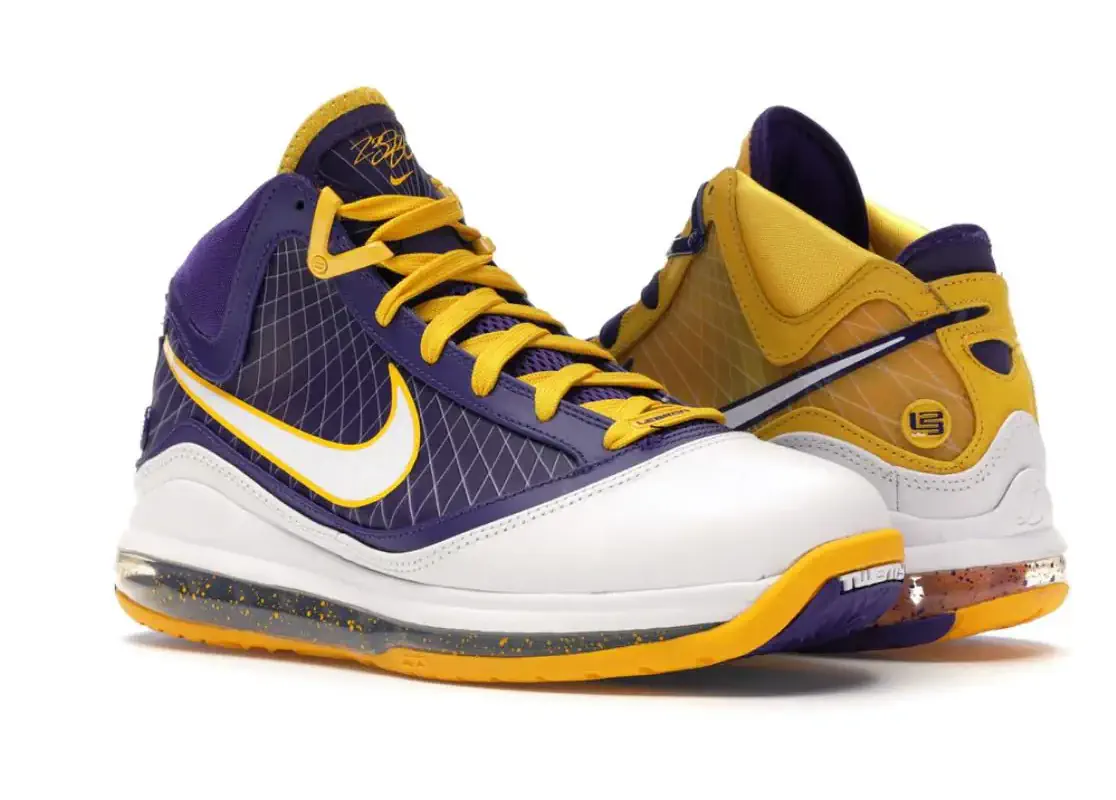
- Nike LeBron (LeBron James): flagship Nike basketball signature with global reach.
- Nike KD (Kevin Durant): a long-running performance line that stays wearable off-court.
- Nike Kobe (Kobe Bryant): a cult favorite that drives massive demand when released.
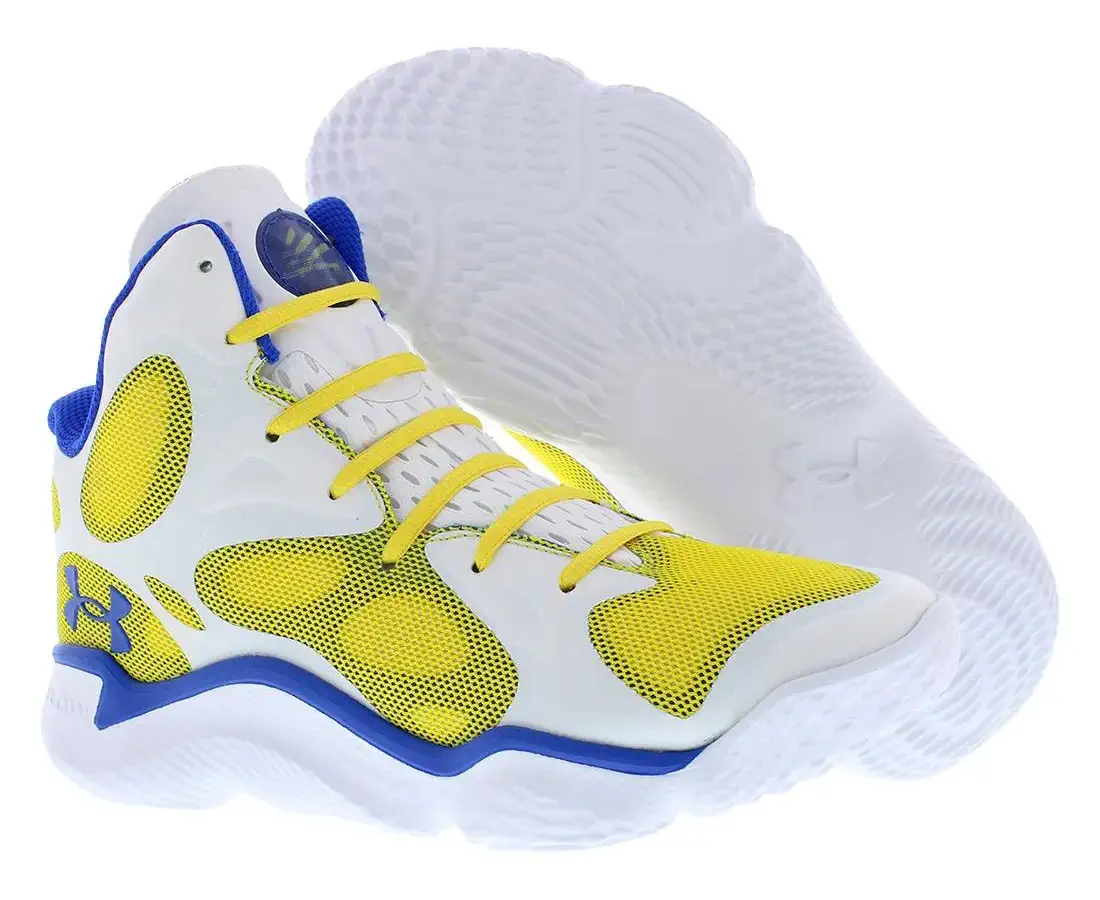
- Under Armour Curry (Stephen Curry): a modern best-seller built on performance and fandom.
- adidas Stan Smith (Stan Smith): one of the most purchased tennis signature sneakers ever as lifestyle.
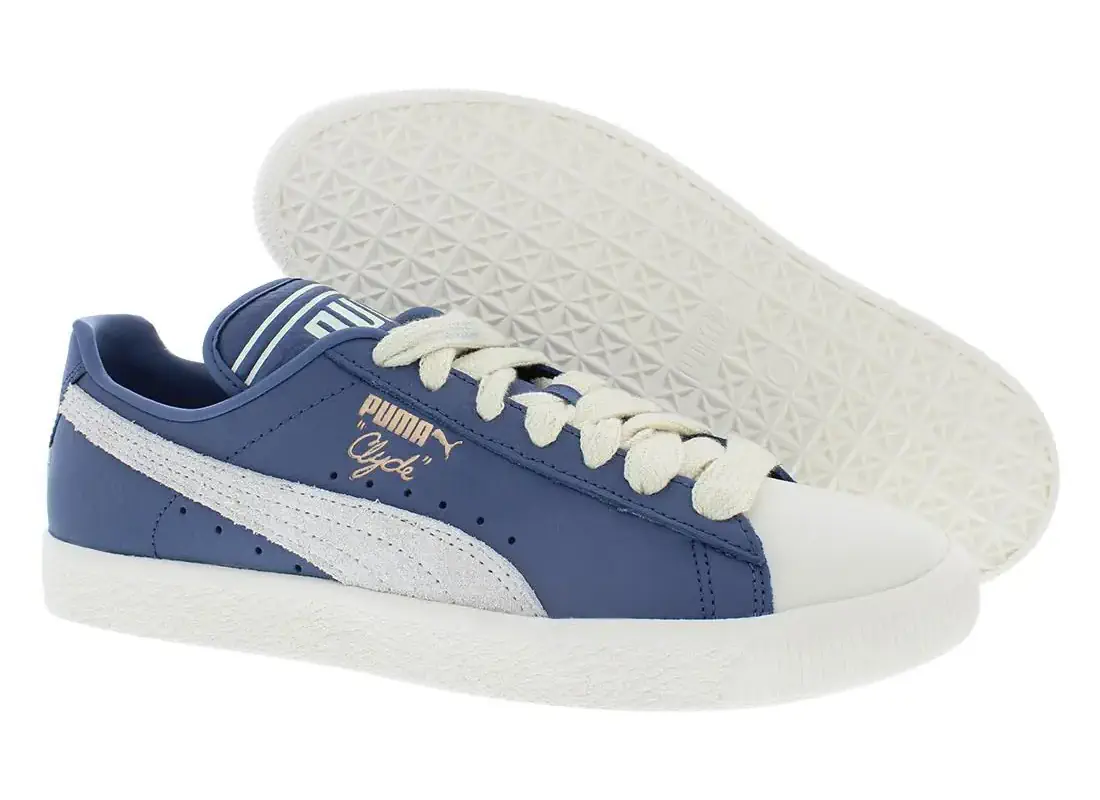
- PUMA Clyde (Walt Frazier): a signature classic that still sells as retro streetwear.
- Reebok Iverson (Allen Iverson): iconic basketball signature models that remain popular in retros.
Now let us do it properly - what a signature line actually is, why some become best sellers, and how to pick the right one for you.
What is an athlete signature line (and why it sells better than a random sneaker)
An athlete signature line is not just a shoe with a name on the box. It is a repeating design universe built around one athlete: their logo, their story, their sport-specific needs, and a style code fans can recognize in one second. In the best cases, a signature line becomes a brand inside a brand. Jordan is the clearest example, but Nike basketball signatures have the same DNA: you can spot the vibe before you see the label.
Signature lines sell for three simple reasons:
- Identity: you are buying into a story you already know - moments, highlights, championships, “I remember where I was when…” energy.
- Repeatability: the line drops every year or every season, so fans keep coming back instead of “moving on.”
- Performance promise: you assume the product has a purpose. Even lifestyle buyers like knowing the shoe was built for something real.
When those three combine, the line stops being a single product and becomes a habit. That is the secret behind best-selling signatures: they are designed to be rebought.
How I define “best selling” in a way that helps you shop
Not every brand shares public unit sales by athlete, and “best selling” can mean different things (units, revenue, resale demand, or pure visibility). So here is the practical definition that actually helps when you are shopping:
- Longevity: the line has survived multiple years and multiple design cycles.
- Volume: you can actually find it across retailers, colorways, and sizes - not just a rare drop.
- Relevance: people wear it in real life, not only in highlight videos.
- Re-release power: older models come back and still sell (a major sign of a true best seller).
With that lens, the list becomes clearer. Some signatures are “fast sellouts but small volume.” Others are “steady volume every year.” The biggest signatures can do both.
Comparison table: the signature lines that keep winning
Use this table as a shopping map. Think of it like “what the line is known for,” not a strict ranking.
| Signature line | Sport | Why it sells | Best for | What to buy first |
|---|---|---|---|---|
| Jordan | Basketball + lifestyle | Retro power, huge cultural reach, consistent releases, full apparel ecosystem | Everyday wear, street style, collectors, basketball fans | Retro sneaker in a neutral colorway, plus a Jordan hoodie or tee |
| Nike LeBron | Basketball | Flagship Nike hoop tech, strong annual presence, global fanbase | Comfort + cushioning, bigger support feel, on-court and casual | Current LeBron signature shoe or team apparel piece |
| Nike KD | Basketball | Reliable performance, clean silhouettes, wide appeal beyond one play style | All-around hoopers, everyday sneakers with court DNA | Current KD signature shoe for versatile wear |
| Nike Kobe | Basketball | Legend status, “low-top performance” identity, high demand on releases | Quick guards, low profile feel, fans who love minimal hoop style | Kobe retro if you can get it, or a similar low-top performance model |
| Curry (Under Armour) | Basketball | Modern icon, strong traction and guard focus, brand built around one athlete | Guards, quick cuts, light feel | Curry signature shoe or Curry branded hoodie |
| Stan Smith (adidas) | Tennis + lifestyle | Simple design, easy styling, decades of rebuys | Minimal everyday outfits, smart-casual sneakers | Classic white pair with subtle green details |
| Clyde (PUMA) | Basketball heritage + lifestyle | Retro credibility, clean low-top shape, repeat releases | Vintage fits, casual wear, collectors | Classic Clyde colorway for daily wear |
| Iverson (Reebok) | Basketball heritage | Iconic 90s/2000s look, retro drops still move | Chunky retro sneakers, nostalgia styling | Answer-era retro for statement outfits |
1) Jordan: the signature line that became a universe
If the question is “What is the best selling athlete signature line?” the safe answer is Jordan, and it is not close in cultural scale. Jordan is not just a shoe series. It is a complete sportswear ecosystem: retros, modern performance shoes, basketball apparel, lifestyle collections, and collaborations that pull in new buyers who might not even follow basketball.
Why Jordan sells like nothing else:
- Retro re-release magic: classic silhouettes keep coming back, and each return feels like an event.
- Instant recognition: even non-sneaker people know what “Jordan” means.
- It works with normal clothes: you can wear Jordans with jeans, cargos, or even clean basics and still look intentional.
- Apparel that is actually wearable: Jordan tees and hoodies feel like everyday sportswear, not only gym gear.
How to shop Jordan without getting overwhelmed:
- Decide your vibe: low-top daily wear or mid/high-top statement.
- Start neutral: black, white, grey, or subtle color blocking is the easiest “wear it a lot” move.
- Get one apparel piece: a simple Jordan hoodie is the fastest way to make the line feel like a full fit.
If you want to browse Nike-first, start here: Nike sportswear. Then search “Jordan” in the catalogue search bar or use keywords like “basketball,” “retro,” and “hoodie.”
2) Nike LeBron: the flagship that sells because it feels serious
LeBron’s signature line is the definition of “flagship Nike basketball.” Even if you never watch a full game, you have probably seen LeBron shoes in stores for years because Nike keeps the line consistent: it stays present, it keeps evolving, and it always feels like it was built for real performance.
What makes LeBron a best seller is comfort. Not “soft pillow comfort,” but that supportive, locked-in feeling that works for bigger bodies, explosive movement, and long wear. Even casual buyers who do not play can appreciate a shoe that feels stable and cushioned when you are on your feet all day.
How to shop the LeBron line:
- If you play: prioritize traction and fit first, then cushioning.
- If you wear casually: prioritize comfort and colorway versatility.
- Try before you commit: LeBron models can feel different year to year, so sizing and width feel matter.
In sportswear terms, LeBron gear also sells because it looks like Nike training gear. The branding is recognizable, but not always loud. That makes it easier to wear outside the court.
3) Nike KD: the “I just want a great basketball shoe” signature
The KD line is one of the most consistent signatures in modern basketball. Its best-selling strength is simple: it works for a wide range of players. It is not only built for one body type or one extreme play style. That versatility matters because most buyers are not NBA athletes - they are real people who want a shoe that feels good for pickup, training, and everyday wear.
Why KD sells year after year:
- Versatility: many players find the KD line comfortable enough to play in without a long break-in period.
- Wearability: the silhouettes often look clean enough to wear off-court.
- Regular updates: Nike keeps the line current without losing its identity.
If you are choosing between LeBron and KD as your first Nike signature basketball shoe, here is a simple rule: LeBron tends to feel more “support and cushion,” KD tends to feel more “balanced and mobile.” It is not always true in every model year, but it is a useful starting point.
4) Nike Kobe: the signature line that sells on demand alone
Some signature lines sell because they are everywhere. Kobe sells because people actively hunt it. When Kobe models release, demand is intense because the line owns a clear identity: low profile, quick feel, guard-friendly performance, and a minimalist look that still feels premium.
Here is the important shopping truth: the Kobe line is loved by serious hoopers, but it is also loved by people who want a basketball shoe that looks sharp in everyday outfits. That crossover is what turns a performance product into a best seller when it actually becomes available.
How to shop Kobe-style signatures (even when supply is limited):
- If you want the on-court feel: look for low-top performance shoes with strong traction and a close-to-the-floor ride.
- If you want the lifestyle look: focus on clean colorways and slimmer silhouettes.
- Be realistic: some releases are hard to get, so have a “second choice” shoe with similar low-top energy.
As a Nike fan, Kobe is one of those lines that proves the power of design identity. Even when you do not see it on every shelf, it still shapes what buyers think a “great hoop shoe” should be.
5) Curry (Under Armour): the modern signature that became a whole brand
Even from a Nike sportswear fan perspective, you have to respect what Curry did for Under Armour. This is what a true best-selling signature looks like: the athlete is the story, the product serves the athlete’s play style, and the line expands into apparel and culture.
The Under Armour Curry line sells because it is consistent and specific. It is built for guards: quick cuts, sharp stops, and traction that feels reliable. And while Nike has multiple basketball signatures, Under Armour can put more focus into one universe, which helps the line feel cohesive.
If your priority is guard play and lightweight feel, Curry is a signature line that earns its best-seller status through function, not just name value.
6) Stan Smith (adidas): proof that signature lines can be lifestyle first
When people hear “athlete signature line,” they picture a basketball shoe with aggressive tech. But one of the most purchased signature sneakers ever is basically the opposite: simple, clean, and easy to wear with everything.
The Stan Smith became a best-seller because it solves a universal wardrobe problem: “I want one clean sneaker that works with everything.” It is tennis heritage turned into everyday minimalism. That is why it sells beyond sports fans. It does not require you to care about the athlete to enjoy the shoe.
If you want an athlete signature that looks good with jeans, chinos, shorts, and even a sharper casual outfit, Stan Smith is the blueprint. Browse adidas sportswear and search “Stan Smith” if you want that clean tennis-core look.
7) PUMA Clyde: the retro signature that keeps coming back
The Puma Clyde is a classic athlete signature that sits in the same “simple daily sneaker” lane as the Stan Smith, just with a different personality. It carries basketball heritage but wears like a casual low-top.
Why Clyde keeps selling:
- Retro credibility: it feels authentic, not like a trend piece.
- Easy styling: low-top, clean lines, works with vintage and modern fits.
- Repeat releases: colorways and materials keep it fresh without changing the core shape.
For shoppers who want an athlete signature line but do not want a bulky basketball shoe, Clyde is a smart pick.
8) Reebok Iverson: the signature that sells nostalgia in the best way
Iverson’s signature models are a reminder that best-selling does not always mean “new tech.” Sometimes, it means “this silhouette still hits.” The Answer-era Reebok look is loud, confident, and instantly recognizable. That matters because retro buyers are often buying a vibe, not a spec sheet.
If your style leans chunky, 90s, and statement sneakers, Iverson retros are one of the strongest athlete signature lanes outside Nike and Jordan. They sell because they still look like nothing else when you wear them.
Why Nike signatures dominate: the fan take
As a Nike sportswear fan, I think Nike does signatures better than anyone for one simple reason: Nike can make performance tech feel like style. It is not just “engineered,” it is designed. The best Nike signatures have a visual identity you can recognize at a distance, plus details that make sense when you actually move.
That is also why Nike signatures translate into sportswear. A LeBron tee or a KD hoodie does not feel like merch. It feels like Nike sportswear with an athlete story attached, which is exactly what makes people buy it.
How to choose the right signature line for you (the decision guide)
Here is the no-stress way to choose: start with your main use, then pick the signature lane that matches it.
- If you want a lifestyle sneaker that goes with everything: start with Jordan (retro in a neutral colorway) or Stan Smith.
- If you play basketball and want comfort and support: start with Nike LeBron.
- If you play basketball and want balanced performance: start with Nike KD.
- If you love low-top hoop style and quick feel: look at Nike Kobe releases or similar low-profile models.
- If you are a guard and traction is the priority: consider Curry.
- If you want retro heritage but not too loud: consider PUMA Clyde.
- If you want a statement retro basketball look: consider Reebok Iverson models.
Then make it personal: pick a colorway that matches what you actually wear. The best selling signature lines win because people can wear them often, not because they look good once.
What to buy first: the “one signature piece” shopping plan
If you are new to signatures, the easiest way in is to buy one piece that immediately fits your daily life. Here is the plan I recommend as a Nike fan who also cares about not wasting money:
- Step 1 - Choose a shoe lane: retro lifestyle (Jordan), minimal lifestyle (Stan Smith, Clyde), or performance basketball (LeBron, KD, Curry).
- Step 2 - Choose a neutral colorway: it will become your “wear it without thinking” pair.
- Step 3 - Add one apparel piece: a hoodie, tee, or track jacket with subtle signature branding.
- Step 4 - Upgrade later: once you know the fit and feel, then you can buy louder colors or limited drops.
That is how best sellers are built in real life: not one big purchase, but one good first experience that makes you come back.
Fit and comfort tips that matter more than the athlete name
Signature lines are emotional purchases, but your feet are not emotional. They just want comfort and support. Use these universal tips before you check out:
- Basketball signatures run different: some feel narrow, some feel wide. If you can, read sizing notes and try on.
- Retro is not always plush: older silhouettes can feel firmer than modern shoes. Great for style, sometimes less great for all-day walking.
- Traction matters if you play: if you hoop, do not compromise on grip. It changes your confidence instantly.
- Buy for your real life: if you mostly walk and commute, do not buy a shoe only because it is iconic. Buy the one you will wear.
The secret sauce: why a signature line becomes a best seller
After watching signatures rise and fall for years, here is the pattern I keep seeing. A signature line becomes a best seller when it nails these five things:
- A repeatable shape: you can update it without changing what it is.
- A recognizable logo or detail: small signature marks that fans look for.
- A clear use case: built for a real sport or real movement, not just marketing.
- A lifestyle runway: people can wear it with everyday outfits.
- A story that stays alive: moments, highlights, memories, and cultural references.
Jordan has all five at the highest level, which is why it sits alone at the top. But the other best-selling signatures on this list all hit the same formula in their own way.
Where to start shopping
If you want a clean starting point, browse by brand first, then narrow by keywords like “basketball,” “retro,” “tennis,” “hoodie,” or the athlete name:
- Nike sportswear - for Nike signatures and Nike fan fits.
- adidas sportswear - for classics like Stan Smith style and minimal sneakers.
- Reebok sportswear - for heritage basketball looks.
- PUMA sportswear - for retro low-top classics like Clyde energy.
Then build your signature fit the simple way: one shoe you will wear weekly, and one apparel piece that matches your everyday rotation.
FAQ: Best selling athlete signature lines
What is an athlete signature line?
An athlete signature line is a product series built around a specific athlete, usually with their name, logo, or story. It can include shoes, apparel, and accessories designed for performance and also worn as lifestyle.
Which athlete signature line is the biggest overall?
Jordan is widely considered the biggest signature line overall because it sells across retro sneakers, modern performance shoes, and full sportswear collections year after year.
Why do some signature lines sell for decades?
Long-running signature lines mix real performance value with strong design identity, repeatable storytelling, and consistent re-releases or updates that keep both athletes and sneaker fans engaged.
Are signature shoes only for playing sports?
No. Many of the best selling signature shoes are worn mostly as everyday sneakers. That lifestyle demand is one reason classics like Jordan, Stan Smith, and Clyde stay popular.
How do I choose my first signature shoe?
Start with your use: lifestyle, basketball, running, or training. Then choose a line known for that purpose, confirm fit and sizing, and pick a colorway that matches your daily wardrobe.
Are older signature models worth buying today?
Yes, especially for lifestyle. For performance, newer models often add better cushioning and traction, but retro releases can still be great for casual wear and light play depending on the model.
What matters more: athlete name or shoe comfort?
Comfort wins long-term. The athlete story brings you in, but fit, cushioning, traction, and durability are what make you rebuy the line.
Is it better to buy a loud colorway or a neutral one?
If it is your first pair, go neutral so you wear it more. Once you know you love the line and the fit, then grab louder colors or special editions.