
WE SHIP WORLDWIDE
Bike Parts Guide: Brakes, Chains, Gears, Pedals, and Essential Bicycle Components
Rider-friendly guide to the bicycle components that affect speed, control, comfort, and reliability
If you are new to cycling, shopping for upgrades, or simply trying to understand why one bike feels smooth while another feels noisy, twitchy, or hard to control, the answer often comes down to the parts. A bicycle is a system made of many components working together. When one part is wrong for your riding style, worn out, or poorly adjusted, the whole ride changes.
This bike parts guide breaks down the essential bicycle components every rider should know. We will cover bicycle bar ends, bearings, brackets, brakes, chains, cranksets, derailleurs, pedals, saddles, seats, shifters, and rear shocks. More importantly, we will explain what each part actually does, why it matters, and what to look for when maintaining or upgrading it.
Whether you ride on roads, trails, commuting routes, or mixed terrain, understanding your bike parts helps you ride safer, pedal more efficiently, and make smarter buying decisions.
The quick answer: the parts that matter most
Every bike has dozens of components, but most riders should start by understanding five core systems:
- Braking system: controls stopping power and safety.
- Drivetrain: includes chains, cranksets, gears, derailleurs, and shifters that transfer your pedaling power.
- Contact points: pedals, saddles, seats, and handlebar accessories like bar ends affect comfort and control.
- Support and rotation parts: bearings and brackets help major parts spin smoothly and efficiently.
- Suspension: rear shocks improve control and comfort on rough terrain.
If you understand those groups, you already understand most of what makes a bike ride well.
Brakes: your most important safety component
Bicycle brakes are the first bike part every rider should take seriously. They do more than stop the bike. They control speed, help with cornering confidence, and let you react safely in traffic, descents, and slippery conditions.
On modern bikes, you will usually find rim brakes or disc brakes. Rim brakes squeeze the wheel rim, while disc brakes clamp onto a rotor mounted near the hub. In both cases, the goal is the same: predictable stopping power with good control.
What matters most is not just raw power, but feel. Good brakes should engage smoothly, respond consistently, and not require excessive force at the lever. If your brakes squeal, feel weak, rub constantly, or need too much hand pressure, they likely need adjustment, new pads, or maintenance.
For daily riders, reliable brakes are not an optional upgrade. They are the foundation of safe cycling.
Chains, cranksets, gears, derailleurs, and shifters: the drivetrain explained
The drivetrain is where your pedaling energy turns into motion. It is also the part of the bike most riders notice first when something feels wrong, because shifting becomes rough, pedaling feels inefficient, or the chain starts making noise.
Chains
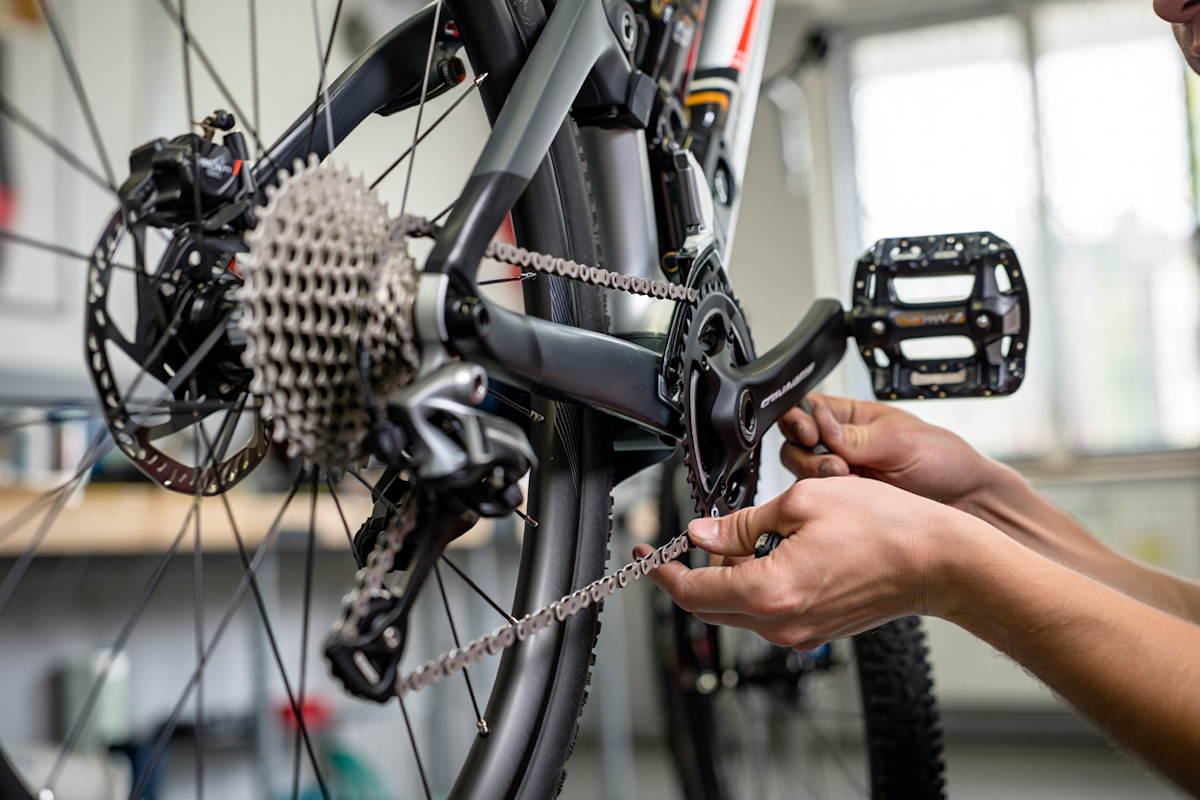
The bike chain transfers power from the crankset to the rear wheel. It may look simple, but it works hard and wears over time. A worn chain can reduce shifting quality and can also accelerate wear on other drivetrain parts. If you hear skipping, feel rough engagement, or see rust and stiffness, your chain may need attention.
Cranksets
The crankset includes the crank arms and chainrings. This is the part you push with your legs. Bike cranksets affect gearing range, pedaling feel, and compatibility with the rest of the drivetrain. Riders who climb a lot, ride fast on flat roads, or carry loads may prefer different crankset setups depending on their needs.
Gears
Gears let you match pedaling effort to terrain and speed. Lower gears help on climbs, while higher gears are useful for faster riding on flatter ground. Good gearing gives you flexibility, reduces fatigue, and helps you maintain cadence more efficiently.
Derailleurs
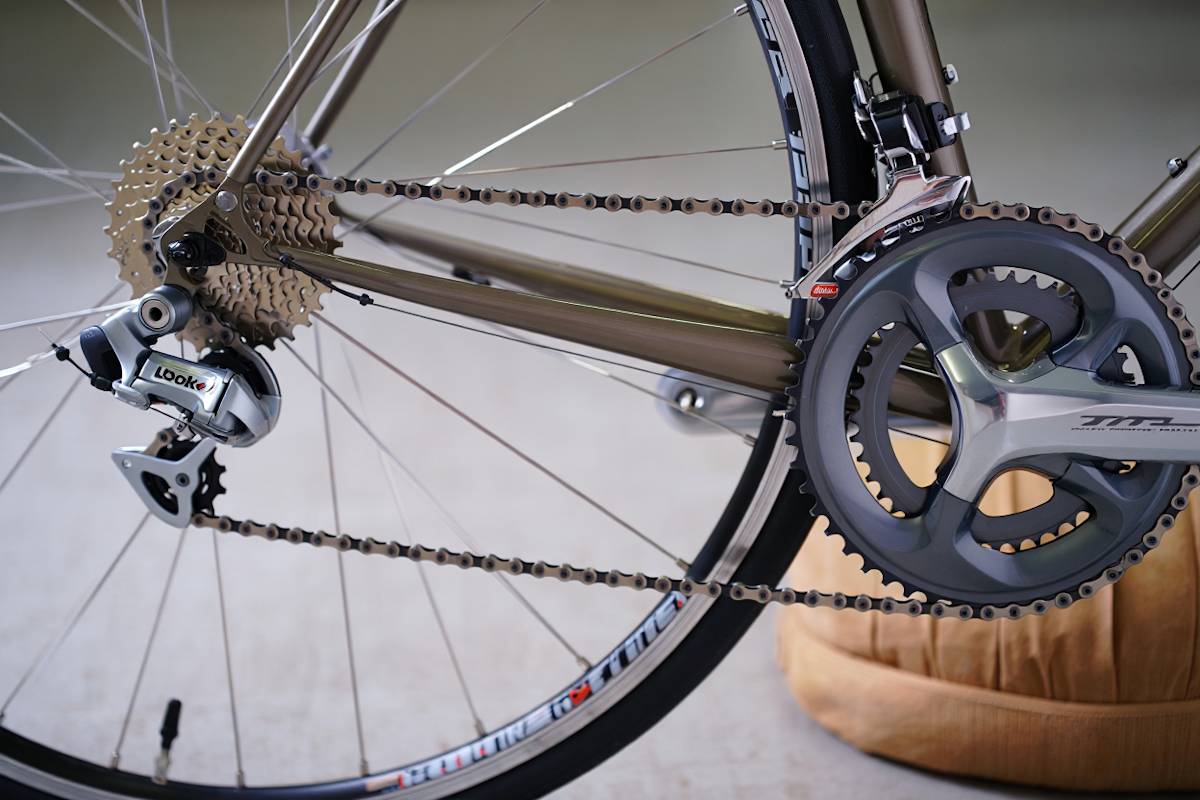
Bicycle derailleurs move the chain from one gear to another. Front derailleurs shift between chainrings, and rear derailleurs shift across the cassette. They need proper alignment and adjustment to work smoothly. If shifting feels slow, noisy, or imprecise, the derailleur setup is often the first thing to inspect.
Shifters
Shifters are the controls that tell the derailleurs what to do. They are your connection to the gear system. Crisp shifters make the bike feel responsive. Sloppy bicycle shifters make the entire drivetrain feel worse, even if the rest of the parts are decent.
Together, these parts determine how efficiently your bike puts power to the ground. A clean, well-matched drivetrain feels quiet, smooth, and fast. A neglected one feels frustrating almost immediately.
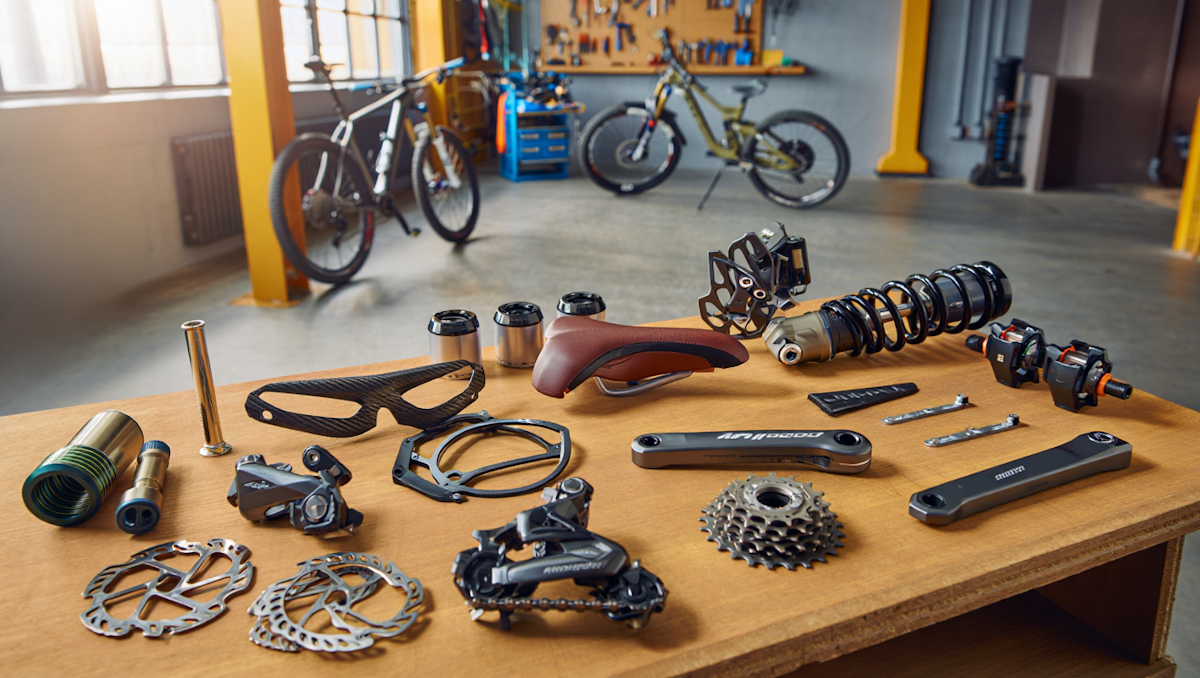
Pedals, saddles, seats, and bar ends: the parts you feel on every ride
Some bike parts affect speed. Others affect whether you want to stay on the bike for another hour. Contact-point components have a huge impact on comfort, posture, and control.
Pedals
Bike pedals connect your feet to the bike. Flat pedals are easy to use and popular for casual, urban, and trail riding. Clipless pedals lock the shoe into the pedal for a more secure and efficient connection. The right choice depends on where you ride, how much control you want, and whether quick foot release matters to you.
Saddles and seats
In cycling, the proper term is usually saddle, though many riders say seat. Either way, this part matters more than many beginners expect. A well-chosen saddle supports you correctly, helps with pedaling efficiency, and reduces pressure during longer rides. Shape, width, padding, and riding posture all matter more than simply choosing the softest option.
Bicycle bar ends
Bar ends are extensions mounted at the ends of handlebars, often seen on flat-bar bikes. They give riders another hand position, which can improve comfort on longer rides and provide extra leverage on climbs. Some cyclists like them for variety and control, while others prefer a cleaner cockpit without them. They are a small part, but they can meaningfully affect hand comfort and riding posture.
These are the parts your body touches directly. If your bike feels uncomfortable, the problem is often here before it is anywhere else.
Bearings and brackets: the hidden parts that keep everything moving
Bearings are not always visible, but they are crucial. They reduce friction and allow parts to rotate smoothly. You will find bearings in areas like the wheels, headset, and bottom bracket assembly. When bearings are in good condition, the bike feels smooth and efficient. When they wear out, you may notice grinding, looseness, play, or rough turning.
Brackets usually refer to structural or rotating assemblies that support important parts. In most bike discussions, the most important one is the bottom bracket. This sits where the crankset passes through the bike frame and allows the crank to spin. A bad bottom bracket can create creaks, drag, wobble, and an overall cheap or tired feeling in the bike.
These are not the most glamorous parts, but they are central to ride quality. Riders often focus on flashy upgrades while overlooking the small internal components that make the whole machine feel tight and precise.
Rear shocks: comfort and control on rough terrain
If you ride a full-suspension mountain bike, the rear shock is one of the most important components on the bike. Its job is to absorb impacts from the trail while helping the rear wheel stay in contact with the ground. That improves traction, comfort, and control.
A good rear shock helps the bike feel planted instead of bouncy. It reduces harshness on roots, rocks, and repeated bumps, and it can help you maintain speed over rough surfaces because the bike tracks the ground better. Riders who spend most of their time on pavement may never need a rear shock, but trail and mountain riders know how much difference it makes.
If the rear shock feels too soft, too harsh, or unpredictable, the bike can become tiring and unstable. Proper setup matters just as much as the shock itself.
Bike parts at a glance
| Part | What it does | Why it matters |
|---|---|---|
| Brakes | Slow and stop the bike | Safety, control, confidence |
| Chains | Transfer power through the drivetrain | Smooth pedaling and efficient power delivery |
| Cranksets | Convert leg force into drivetrain movement | Pedaling feel and gear setup |
| Derailleurs | Move the chain between gears | Clean and accurate shifting |
| Shifters | Control gear changes | Rider control and responsiveness |
| Pedals | Connect feet to the bike | Efficiency, grip, stability |
| Saddles / Seats | Support rider position | Comfort and long-ride endurance |
| Bar Ends | Add alternate hand positions | Comfort and leverage |
| Bearings | Reduce friction in moving parts | Smoothness and efficiency |
| Brackets | Support rotating components like the crank | Stability and smooth performance |
| Rear Shocks | Absorb impacts at the rear of the bike | Traction, comfort, off-road control |
How to choose the right bicycle parts
The best bike parts are not always the most expensive ones. They are the parts that fit your riding style, bike type, and maintenance expectations.
- Think about where you ride: road, city, gravel, and mountain bikes need different priorities.
- Prioritize safety first: brakes and critical drivetrain parts matter more than cosmetic upgrades.
- Replace wear items on time: chains, brake pads, bearings, and some drivetrain parts wear naturally.
- Upgrade contact points thoughtfully: pedals, saddles, seats, and bar ends can transform comfort quickly.
- Choose compatibility carefully: not every crankset, shifter, or derailleur works with every drivetrain.
If you are unsure where to start, focus on the parts that affect your actual complaint. If the bike feels unsafe, check brakes. If it shifts badly, look at the drivetrain. If it feels uncomfortable, start with pedals, saddle fit, and handlebar setup.
Final thoughts
A better ride does not always come from buying a new bike. Sometimes it comes from understanding the one you already own. When you know how your brakes, chain, gears, crankset, derailleur, pedals, saddle, bearings, brackets, and rear shock work together, it becomes much easier to maintain performance and upgrade with purpose.
For beginners, this knowledge removes confusion. For experienced riders, it helps make smarter component choices. Either way, the more you understand your bike parts, the more confident and enjoyable every ride becomes.
FAQ: Bike parts guide
What are the most important bike parts to understand first?
Start with brakes, chains, cranksets, derailleurs, shifters, pedals, saddles, bearings, bottom brackets, and rear shocks if your bike has suspension. These are the parts that most directly affect safety, power transfer, comfort, and control.
What do shifters and derailleurs do on a bike?
Shifters are the controls you use to change gears, while derailleurs move the chain across different cogs or chainrings. Together they help you adapt to hills, speed changes, and different riding conditions.
Are bike saddles and seats the same thing?
Most people use the terms the same way, but saddle is the more accurate cycling term. The right saddle or seat can make a major difference in comfort and pedaling efficiency.
What does a rear shock do on a bicycle?
A rear shock absorbs bumps and impacts on full-suspension bikes. It improves traction, comfort, and control by helping the rear wheel stay connected to rough ground.
When should I replace a bike chain?
Replace a chain when it becomes worn or stretched beyond recommended limits. Replacing it in time helps protect the cassette and chainrings and keeps shifting smoother.