
WE SHIP WORLDWIDE
What Is Coming In The Footwear Industry In 2026?
The footwear industry underwent a complete transformation during 2026 because it introduced new methods for designing shoes and their manufacturing process and distribution channels and consumer usage patterns.
The worldwide footwear industry continues to expand yet it does so at a slower pace while adopting more deliberate approaches. The market expansion stems from designers who create innovative products and companies that focus on high-end products and performance footwear and sustainable manufacturing practices.
The current fashion industry faces a period of stability while dealing with challenges because customers seek value in their purchases and brands need to demonstrate genuine value and environmental responsibility.
The upcoming year 2026 will bring specific changes to the shoe and sneaker industry. The following changes will occur in the footwear industry during 2026.
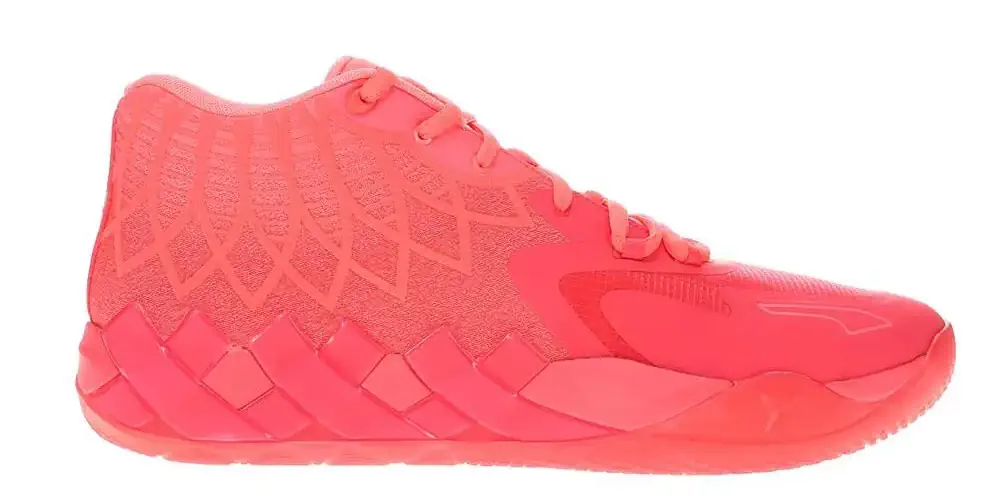
1. Sustainability Advances From Being a Fashion Trend to Becoming the Standard Practice
Sustainability has evolved from being a specialty to becoming an industry standard.
The market will experience two major developments during 2026.
- The industry will use recycled materials and bio-based materials for their production.
- The industry uses recycled plastics and recycled rubber and plant-based leathers which derive from pineapple leaves and corn waste agricultural by-products.
- The industry develops sustainable leather products and animal materials which offer superior performance.
- The industry develops advanced vegan footwear materials which deliver enhanced performance and longer product life and improved visual appeal.
People in 2026 will ask about the origin of their shoes and material composition and disposal methods after their shoes reach the end of their life cycle.
2. The practice of circular product design and product repair and product resale will become standard industry practices.
The use of fewer pairs for longer periods will become the new standard for sustainability in 2026.
The market will experience two major developments during this period.
- The industry will establish programs which allow customers to return their used sneakers for trade-in rewards.
- Brand websites will introduce sections which offer refurbished products at lower price points.
- The industry will introduce replaceable outsoles and insoles and modular parts which customers can replace.
- The industry will provide customers with detailed information about product durability and repair capabilities.
The industry supports both environmentally conscious consumers and budget-conscious families who want better value from their purchases.
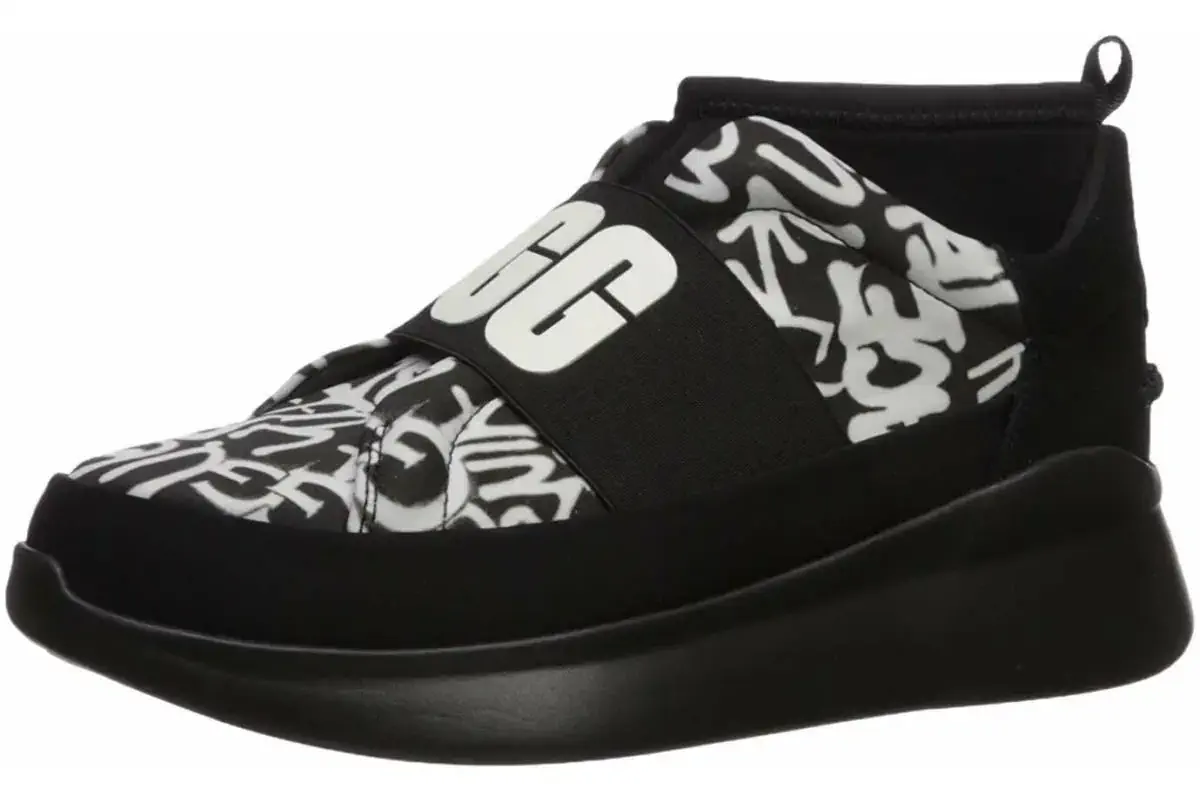
3. The market for smart footwear products will experience rapid expansion because technology advances at a fast pace.
The market for smart footwear remains small but it shows rapid expansion because technology advances at a fast pace.
The market will experience two major developments during 2026.
- The market will introduce running shoes and fitness shoes that track user performance.
- The tracking system includes step counting and gait analysis and pressure mapping and running form evaluation and injury risk prediction.
- The market will introduce self-lacing and auto-adjusting footwear products.
- The market will introduce footwear products which monitor health indicators for senior citizens and people with chronic medical conditions.
- The market will show increased visibility of connected footwear during running and basketball and specific lifestyle product releases.
4. The production of shoes will undergo changes through customization and 3D printing and on-demand manufacturing.
The production methods for shoes have undergone transformation because of technological advancements.
The market will experience two major developments during 2026.
- The technology enables customers to obtain their own unique foot measurements through scanning technology and mobile applications and in-store scanners.
- The production of midsoles and components through 3D printing technology will become more prevalent in performance footwear segments.
- The production system will create products on demand which will help businesses minimize their inventory levels and waste generation.
- The industry will use artificial intelligence to create new design options which will help brands test numerous variations before selecting physical prototypes.
- The new production method enables businesses to minimize their inventory risks. The new production method enables customers to find their perfect fit while experiencing better comfort and fewer product returns.
5. The combination of digital retail with AR try-on technology and omnichannel shopping experiences will transform the market.
The global footwear market continues to experience rising online sales which show no signs of slowing down.
The standard process of buying shoes will transform into this sequence by 2026.
- Customers can find their products through social media platforms and search engines and marketplaces.
- Users can move between their mobile application and website and physical store locations through a seamless process.
- The product information and promotional offers will remain consistent throughout all sales channels.
- The companies which deliver seamless customer experiences across all touchpoints will achieve higher conversion rates and lower product return rates.
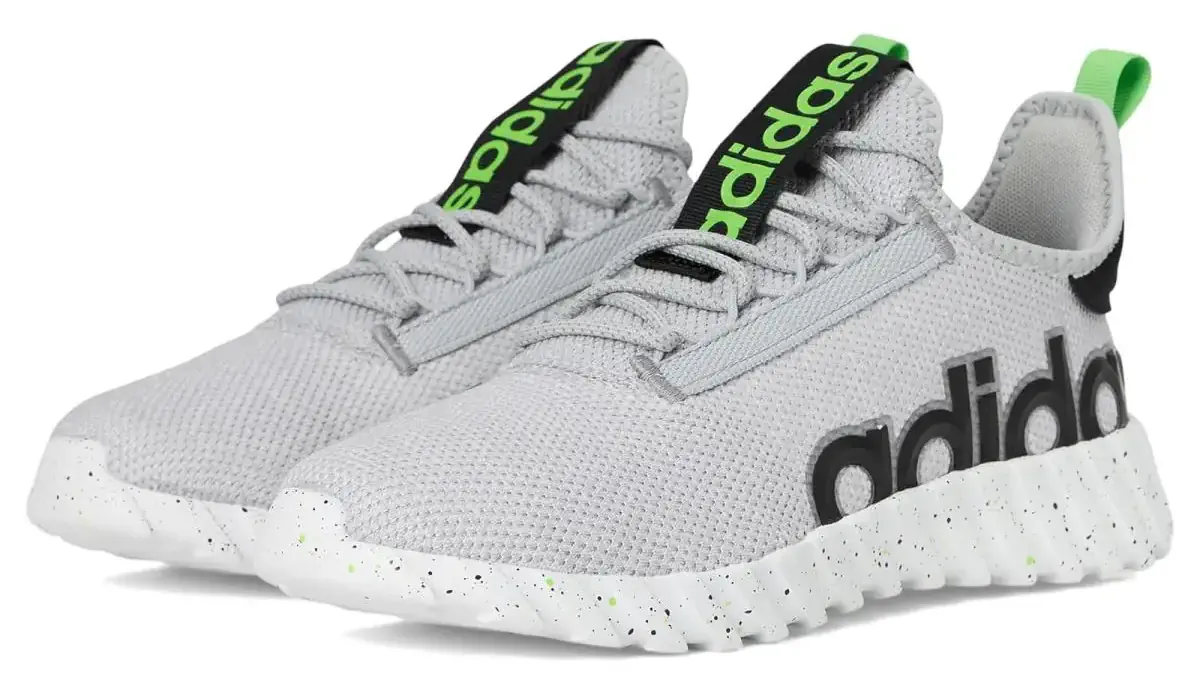
6. The market continues to favor products which deliver both comfort and performance and athleisure wear.
Comfort remains the dominant factor in the market even though fashion trends experience periodic changes.
The market for athletic and performance footwear will continue to expand because of growing interest in running and training and outdoor activities and sport-inspired casual wear.
The market will experience two major developments during this period.Key directions for 2026:
- People need lightweight sneakers with cushioning for their daily footwear needs.
- The market demands hybrid footwear which serves multiple purposes between athletic activities and casual wear and professional settings.
- The market demands outdoor and trail-inspired footwear which provides enhanced grip and weather-resistant features.
- The market requires shoes with expanded sizes and ergonomic designs and superior arch support at various price points.
- People need footwear which provides them with comfort during their extended periods of standing rather than fashionable appearance in social media.
7. Transparency, Labelling, And Regulation
The market faces increasing scrutiny from regulators and advocacy groups who demand precise product labeling and complete materials disclosure.
The market will experience:
- The market will face enhanced regulations which will enforce precise definitions for "vegan" and "recycled" and "sustainable" product labels.
- The market will adopt standardized visual indicators which will help customers identify between leather products and wool products and synthetic materials and plant-based alternatives.
- The market will introduce QR codes which enable customers to access detailed information about their shoe materials and supply chain origins.
- Shoppers will request both material identification and proof of authenticity for their purchases.
8. What This Means For Footwear Brands And Retailers
The path to success in 2026 requires brands and retailers to concentrate on these five essential elements.
- Organizations need to create authentic sustainability plans which include specific targets for recycled materials and plant-based materials and carbon emission reduction.
- The market requires brands to develop comfortable products which deliver performance at various price points.
- The market needs to establish supportive ergonomic designs as standard features which should not be limited to premium products.
- Companies should test innovative smart features only when these additions deliver substantial value to customers.
- The market should direct its focus toward runners and athletes who use their shoes for serious activities and health purposes instead of focusing on unnecessary features.
- The industry needs to enhance its digital capabilities and create seamless shopping experiences across all channels.
- The company needs to maintain open and truthful communication with its customers.
- The market requires brands to provide customers with straightforward product information and detailed care guidelines and authentic stories about their materials and production sources.
What are the primary footwear trends which will shape the market during 2026?
The main footwear trends for 2026 include sustainable circular products and smart footwear integration and personalized footwear through digital tools and 3D printing and enhanced online shopping experiences and performance-focused designs.
Smart shoes will experience rapid market expansion during 2026 but they will maintain their position as premium products while traditional sneakers continue to lead the market.
The cost of sustainable footwear remains high in 2026 but new affordable eco-friendly options are starting to appear in the market.
The market now offers a broader selection of sustainable footwear options which range from affordable to premium prices.
The footwear industry implements 3D printing and AI design software and foot scanning technology and digital manufacturing to develop better-fitting products with reduced weight and decreased production waste which shortens the time needed to bring products from development to store shelves.
Retailers need to take three essential steps to adapt their business operations for the upcoming 2026 footwear market trends.
Retailers need to build sustainable product lines while enhancing their size selection systems and return procedures and adding AR product visualization and maintaining product information accuracy across all sales channels.