
WE SHIP WORLDWIDE
How to Choose Breathable Workout Shirts for Women With High Sweat
A heavy-sweat, real-life guide to shirts that feel cooler and dry faster
Let’s talk about the thing nobody wants to admit until they are peeling a soaked shirt off their back: some of us sweat a lot. Not “a little glow.” Not “cute dewy.” I mean the kind of sweat where the front of your top changes color during the warm-up, your back looks like you stood in the rain, and you start planning workouts around what hides sweat the best.
To keep this article practical, I’m writing it in a first-person, heavy-sweat perspective because that is how the details show up in real life. When you sweat a lot, “breathable” is not a marketing word. It’s the difference between finishing strong and feeling distracted, clingy, overheated, and honestly annoyed.
The good news: picking the right workout shirt is not about finding a magical fabric. It’s about stacking small wins: fast-drying fibers, airy knit structure, smart ventilation zones, and a fit that helps heat escape. Do those things and you can train hard without feeling like your shirt is working against you.
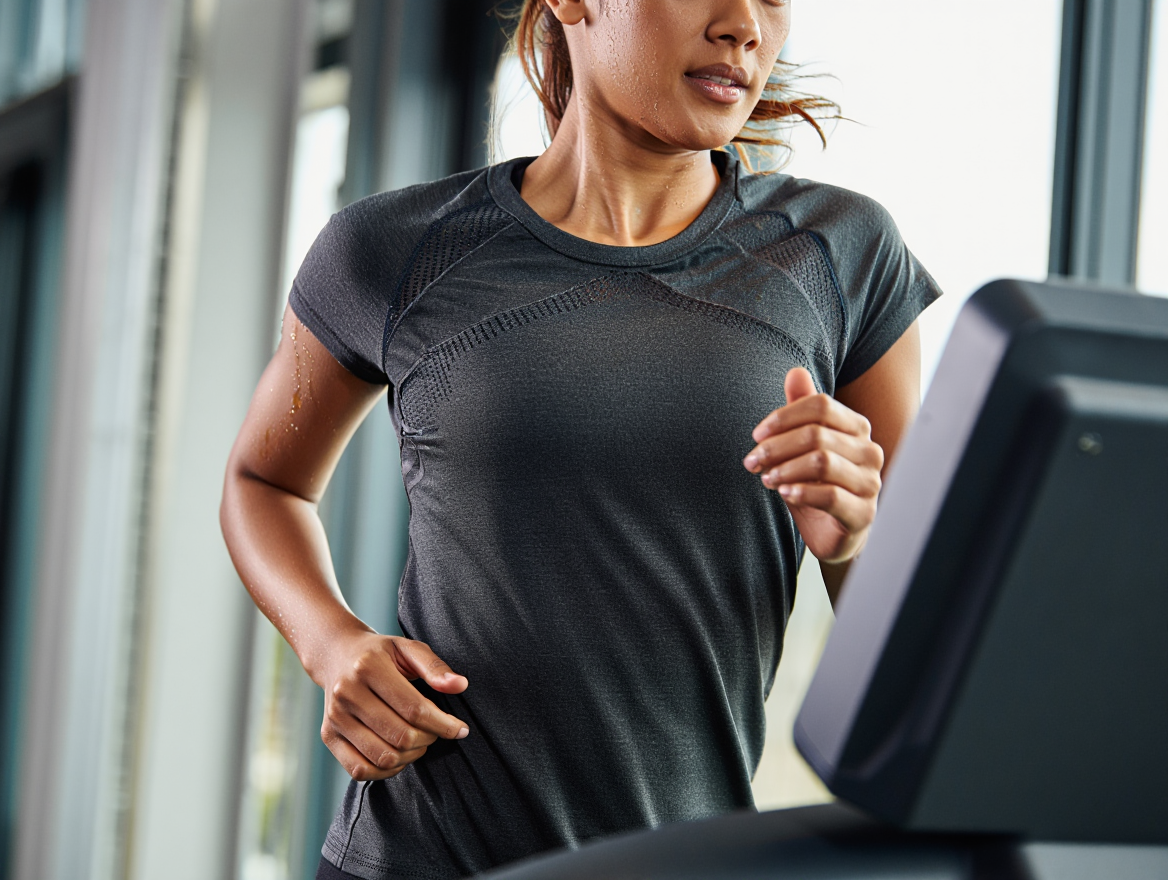
Quick answer: what to look for if you sweat a lot
If you want the fastest way to shop, use this checklist. It’s the set of filters that usually saves me from buying another shirt that looks great on the hanger and feels terrible by minute 12.
- Lightweight synthetic or merino: thin polyester or nylon blends for fastest dry, or lightweight merino for comfort and odor control.
- Air-permeable knit: you want a fabric you can slightly see light through (not transparent, just airy).
- Mesh where you overheat: upper back, underarms, spine line, and sometimes the center chest.
- Matte or textured finish: glossy smooth fabrics often show sweat more and cling more.
- Seams moved away from hotspots: raglan sleeves, underarm gussets, flat seams, no thick seam right in the armpit.
- Fit that vents: slightly relaxed for lifting and HIIT, or smooth semi-fitted for running if you chafe in loose tops.
- Color that forgives: heather, prints, mid-dark tones, or black if sweat marks bother you.
If you want to browse quickly, start with a search like women shirts and then filter by lightweight, mesh, and quick-dry terms. Now let’s break down what “breathable” really means and how to spot it.
Breathable vs moisture-wicking vs quick-dry: three words, three different jobs
When a shirt feels “cool,” three separate things are happening:
- Breathability (airflow): air can move through the fabric, letting heat escape. This matters when you feel hot even before you are soaked.
- Wicking (moving moisture): sweat spreads across the fabric instead of pooling in one spot. This helps evaporation happen faster.
- Quick-dry (evaporation speed): the fiber and knit release water instead of holding it. This matters most after you are fully sweating.
Some shirts wick well but are not breathable, so they still feel like a warm wet layer. Some are breathable but hold water, so they get heavy. For high sweat, you want all three working together.
The fabric truth: what works best for heavy sweat
Fabric is the foundation. But here is the important part: it is not only the fiber name on the tag. Two polyester shirts can feel totally different because the knit, thickness, and finish change everything. Still, fiber choice gives you a strong starting advantage.
| Fabric type | How it feels when you sweat a lot | Best for | Watch-outs |
|---|---|---|---|
| Polyester (often with elastane) | Usually dries fast, can wick well, can feel light if the knit is airy | HIIT, gym, everyday training, hot climates | Some versions cling when soaked, can hold odor if care is wrong |
| Nylon blends | Often smoother and cooler to the touch, strong, good stretch recovery | Running, high friction workouts, fitted styles | Some nylon feels slick and shows sweat more, depends on finish |
| Merino wool (lightweight) | Comfortable, less “clammy,” often better with odor | Mixed training, travel workouts, cooler weather layers | Can dry slower than thin synthetics, may feel warm if too thick |
| Cotton | Soft at first, then heavy, clingy, and slow to dry | Low sweat sessions, casual wear | Often feels worst for heavy sweat, can cause chafe when wet |
| Viscose, bamboo viscose, modal | Soft and drapey, can feel cool early on | Studio workouts if you do not soak the shirt | Often holds moisture and can feel heavy once wet |
| Lyocell blends | Soft, often comfortable against skin, can manage moisture decently in blends | Low to moderate sweat sessions, comfort-first tops | Performance depends heavily on blend and knit |
If you are a high sweater and you want the safest bet for hot workouts, a lightweight polyester or nylon blend with a breathable knit usually wins. If odor is your biggest enemy and your workouts are not all-out in extreme heat, lightweight merino can be a great feel-good choice.
The knit matters more than the label: how to spot an airy fabric fast
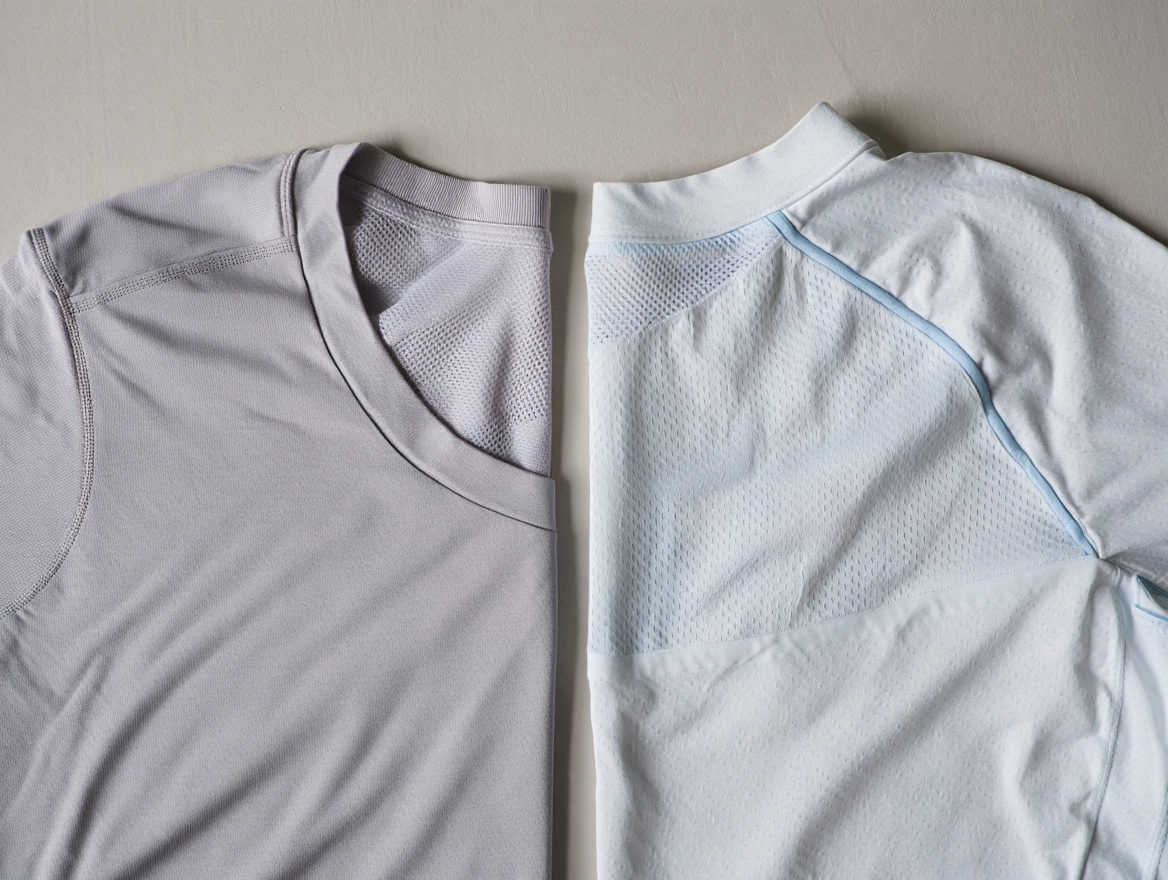
Here’s a simple truth: the most breathable shirts often look slightly “less perfect” up close. They have texture. They have tiny holes. They have a knit that looks engineered. If a shirt looks like smooth shiny plastic, it might wick, but it might also trap heat and show sweat.
Use these quick checks when you shop:
- Light test: hold the fabric up to light. If it looks like a dense wall, it likely traps heat. If you see a subtle airy structure, it will usually vent better.
- Pinch test: pinch a small fold. Super thick and spongy often means “warm.” Thin and springy often means “quick-dry.”
- Inside feel: rub the inside against your forearm. A slightly textured inner face can reduce the sticky cling feeling when wet.
- Stretch and snap back: stretch it gently and see if it rebounds. Shirts that sag out when wet can feel heavier and clingier later.
If a shirt passes these checks, it usually performs better for heavy sweat, even before you look at any technology names.
Mesh panels and ventilation zones: where they actually help
Mesh is not just decoration. On a high-sweat body, the goal is to vent the zones that overheat first so your whole system cools down. The best placements are:
- Upper back and between the shoulder blades: this is where heat builds and where sweat sits under a sports bra strap line.
- Along the spine: a vertical vent strip can feel like a relief valve during cardio.
- Underarms: obvious, but important. Even better if the seam is not cutting right through the armpit.
- Center chest: for people who sweat heavily in front, a breathable knit here helps the shirt stop feeling pasted on.
A tip that sounds small but matters: mesh works best when the rest of the shirt also dries fast. If the body fabric holds water, mesh panels cannot save the overall cling feeling.
Fit: the best breathable shirt is the one that does not fight your movement
Fit is where a lot of “breathable” shirts fail heavy sweaters. A shirt can be made of perfect fabric and still feel awful if it clings in the wrong places or rubs as you move.
Here is how I choose fit by workout type:
- Strength training and gym days: I prefer a slightly relaxed fit with a breathable knit. It vents better, it hides sweat better, and it does not glue to my back between sets.
- HIIT and bootcamp: I still like relaxed, but not baggy. Too loose can flap and trap heat in folds. Look for a “regular fit” performance tee with side slits or a curved hem.
- Running: if you chafe, a smooth semi-fitted shirt often beats a loose one. The goal is fewer moving edges. Look for flat seams and soft underarm construction.
- Hot yoga or studio: a fitted top can stay put, but pick fabric that feels dry, not slick. Many studio tops feel great until they are soaked, then they cling hard.
Two design details that help heavy sweaters immediately:
- Raglan sleeves: seams move away from the armpit zone, which can reduce rubbing and reduce visible sweat lines.
- Underarm gusset: extra fabric panel under the arm can improve airflow and reduce seam pressure.
Cling and sweat marks: how to choose a shirt that looks normal even when you are soaked
Some people do not care about visible sweat. If you do care (or you train in a bright gym with mirrors everywhere), you can choose smarter without sacrificing comfort.
What usually shows sweat the most:
- Light solid colors, especially light grey
- Very smooth, glossy fabrics
- Super thin fabrics with no texture (they turn translucent when wet)
What usually hides sweat better:
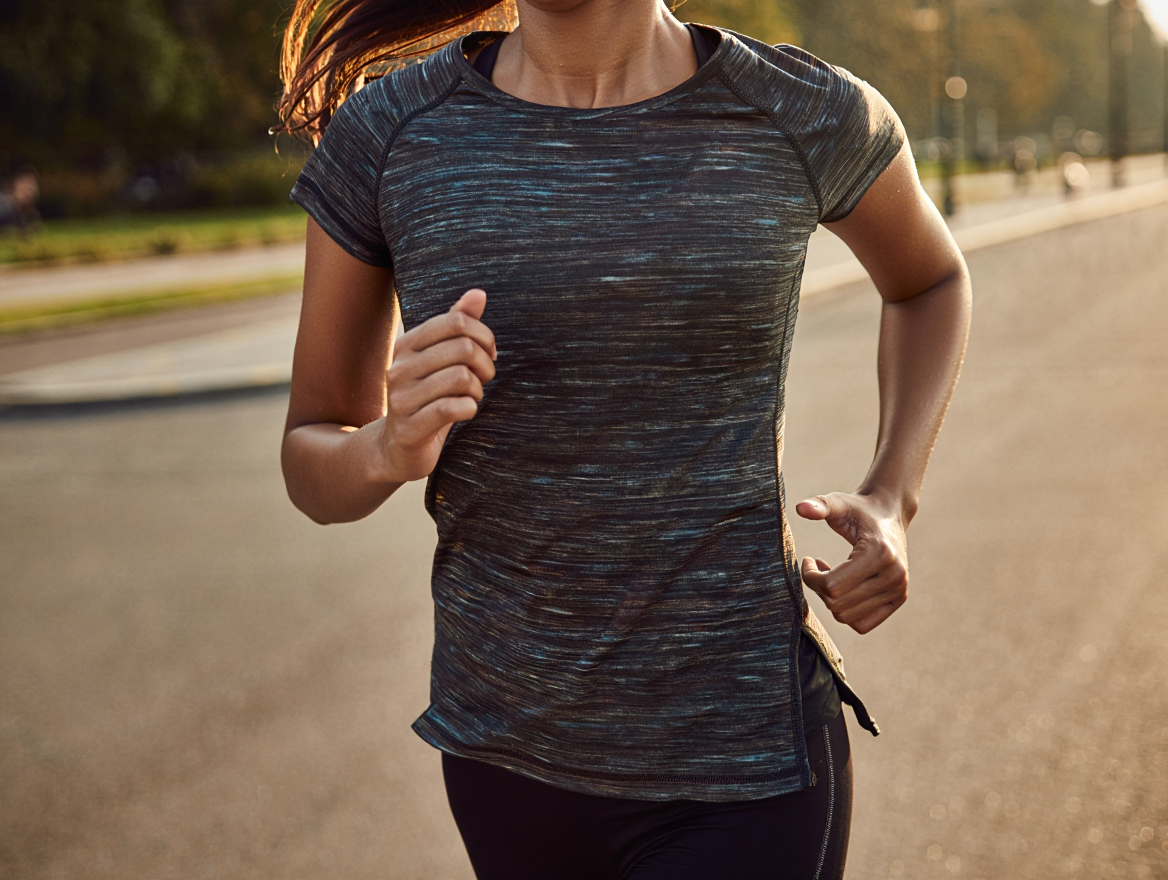
- Heathered fabrics: mixed yarn colors break up wet patches visually.
- Prints and patterns: even subtle patterns can camouflage moisture changes.
- Mid-dark tones: navy, deep green, charcoal, burgundy, and black are forgiving.
- Textured knits: waffle-like micro texture and engineered knits hide cling better than flat surfaces.
If you want one simple trick: choose a breathable heathered shirt in a mid-dark color. It is the easiest “no stress” option for heavy sweat.
Seams, hems, and chafe: the boring details that decide if you love the shirt
Heavy sweat makes friction worse because wet fabric moves differently on skin. If you have ever finished a run with red underarm lines or a sore spot under a sports bra band, you already know this is real.
Look for these chafe-friendly details:
- Flat seams: they reduce raised edges that rub when wet.
- No bulky inner tag: printed labels are your friend.
- Soft neck binding: stiff collars can feel hotter and scratchy as sweat dries and re-wets.
- Side slits or curved hems: improve airflow and reduce bunching at the waist.
And one underrated thing: the seam placement under the arm. If the seam runs directly through the wettest area, it can feel like sandpaper by the end of the session. Raglan cuts and gussets often fix that.
Odor control: what actually helps and what is mostly marketing
Let’s be honest: sweat itself does not always smell strong, but workout sportswear can trap the stuff that causes odor over time. This is where heavy sweaters suffer most, because the fabric sees more sweat more often.
What tends to help:
- Good washing habits: more on this later, but it matters more than any “odor tech.”
- Merino blends: many people find merino stays fresher feeling across repeated wears.
- Some odor-control treatments: they can help, but results vary and they can fade with time and washing.
My realistic rule: treat odor control as a bonus, not the main reason to buy a shirt. Prioritize breathability and quick-dry first. A shirt that dries fast often smells less simply because it spends less time wet.
The heavy-sweat shopping filter: 7 questions I ask before buying
When I want to avoid regret, I run through these questions. You can do it in 20 seconds while scrolling product photos.
- 1) Does it look airy? Any texture, engineered knit, or visible ventilation?
- 2) Is it thin enough for heat? If the fabric looks thick, it will likely feel warm when soaked.
- 3) Where is the seam under the arm? If you see thick seams right at the armpit, that can be a red flag.
- 4) Is the finish matte or glossy? Matte often hides sweat and clings less.
- 5) What is the back panel like? If the back is one dense piece of fabric, it can trap heat.
- 6) Does the hem allow airflow? Side slits, curved hems, or slightly longer backs can help comfort.
- 7) Can I picture my sports bra under it? Some necklines and armholes trap heat or rub straps.
If a shirt scores well here, it usually feels better when you are sweating hard.
What to avoid if you sweat a lot
This is the “learned the hard way” section. If you recognize yourself in any of these, you are not alone.
- Thick cotton tees for hard workouts: they get heavy and stay wet.
- Ultra smooth glossy synthetic tees: they can show sweat, cling, and feel warmer than you expect.
- Oversized shirts with no structure: the fabric folds can trap heat and create friction points.
- Stiff collars and heavy neck binding: they feel hotter as the session goes on.
- Fabric softener: it can coat performance fibers and reduce wicking over time.
When in doubt, choose a shirt that looks like it was engineered for airflow, not a shirt that looks like a fashion tee with a performance label.
Pick by workout and climate: the “right shirt” changes with your day
Heavy sweat is not the same in every situation. The shirt that feels perfect for lifting might not feel perfect for a long summer run. Here is how I match shirts to the actual conditions.
- Hot gym, intense cardio: prioritize airflow and mesh placement. Lightweight polyester with engineered knit usually wins.
- Outdoor summer running: prioritize anti-chafe seams and a stable fit, plus a fabric that dries fast in sun and wind.
- Cool weather training: you still want breathability, but a slightly more substantial fabric can feel better. This is where lightweight merino or a slightly thicker synthetic layer can be comfortable.
- Travel and long days: if you want something that feels good and stays fresher, merino blends can be a smart choice.
A small hack: have two categories in your closet. “Hot day shirts” that are the lightest and most ventilated, and “comfort shirts” that you wear when the workout is moderate or the weather is cooler.
Layering when you sweat a lot: sometimes the base layer is the problem
If you wear a sports bra with a lot of coverage, or a compression base layer under your shirt, that layer can trap heat and make any top feel worse. Breathability is a system, not a single item.
How to build a cooler system:
- Choose a breathable sports bra: look for mesh, lighter padding, and straps that do not create thick heat bands.
- Avoid stacking heavy layers: one breathable shirt often beats two “kind of breathable” layers.
- Use a light outer layer only for warm-up: then remove it early before you overheat.
If your shirt is great but you still feel overheated, check the bra fabric and back coverage first.
Care tips: keep breathability and reduce stink over time
Performance shirts can fail because of laundry, not because of fabric. Heavy sweaters put more stress on the fibers, so care matters more.
- Skip fabric softener and dryer sheets: they can leave residue that reduces wicking.
- Do not overload detergent: too much detergent can build up and trap odor. Use the recommended amount, not “a little extra.”
- Wash soon after sweaty sessions: letting sweat dry into the fabric can make odor harder to remove later.
- Air dry when you can: it is gentler on performance fibers. If you tumble dry, use low heat.
- Occasional deep refresh: if shirts start holding odor, do a sportswear-safe rinse routine and then return to normal washing.
The goal is to keep the fabric surface open so it can keep moving moisture and letting air through. Residue is the enemy of breathability.
My “buy one, learn fast” plan: how to find your perfect breathable shirt
If you feel stuck because every brand claims every shirt is breathable, do this instead of guessing forever.
- Step 1: buy one lightweight engineered knit tee and one slightly relaxed mesh-back top.
- Step 2: wear each on your sweatiest workout day (not an easy day).
- Step 3: notice three things: how fast it stops feeling wet, whether it clings, and whether any seams irritate you.
- Step 4: buy your next shirt based on what you learned, not based on hype.
Most people find that they prefer one specific “feel” once they test it: either airy and relaxed, or smooth and stable. Once you know which one you are, shopping becomes easy.
Where to start shopping on SporTipTop
If you want to browse right now, use keywords and brand filters. Here are quick links that usually surface the right styles fast:
- Women workout - a broad starting point.
- Nike tops for women - often good engineered knits and airy running-style tees.
- adidas training tops - great for lightweight tees and clean breathable cuts.
- PUMA training tops - solid options if you like simple breathable fits.
While browsing, use the quick filter mindset: lightweight, engineered knit, mesh zones, and seam placement. Those four usually predict comfort better than any product name.
FAQ: Breathable workout shirts for women with high sweat
What fabric is best for heavy sweat in a workout shirt?
Most heavy sweaters do best with lightweight polyester or nylon blends that dry fast and move moisture across the fabric surface. Merino can also work well if you prioritize odor control and comfort, but it often dries slower than thin synthetics.
Is cotton bad for sweaty workouts?
Cotton feels soft at first, but it holds water and can turn heavy, clingy, and chilly once it gets wet. If you sweat a lot, cotton usually feels worse as the workout goes on.
Do mesh panels actually help with breathability?
Yes, when they are placed where you run hottest (upper back, underarms, center chest, and along the spine). Mesh works best when the rest of the shirt also dries fast, so the whole top can vent heat together.
Should a sweaty workout shirt be tight or loose?
It depends on your training. A slightly relaxed fit often feels cooler and shows less sweat. For running or high-chafe workouts, a smoother semi-fitted shirt can reduce rubbing. The best choice is the one that stays off your skin in the hottest zones without flapping or bunching.
How can I reduce underarm sweat marks in a gym shirt?
Look for darker colors, prints, or heathered fabrics, plus raglan sleeves and underarm gussets that move seams away from the wettest area. Fabrics with a bit of texture also hide moisture better than glossy smooth knits.
What causes workout shirts to smell even after washing?
Odor can stick when sweat, body oils, and detergent residue build up inside synthetic fibers. Washing in cool or warm water with the right amount of detergent, skipping fabric softener, and doing an occasional sportswear-safe rinse can help performance fabrics stay fresher.
How do I keep a breathable shirt performing over time?
Avoid fabric softener, avoid heavy dryer sheets, and do not overuse detergent. Let shirts fully dry between wears, and wash them soon after very sweaty sessions so sweat salts do not set into the fabric.