
WE SHIP WORLDWIDE
How to Choose the Right Sportswear for Your Sport
Walk into any sports store and you'll see racks of T-shirts, shorts, tights and jackets that, at first glance, don't look all that different. So why is one shirt sold for running, another for soccer and another for training?
It's not just marketing.
Different sports put your body through very different movements. A runner repeats roughly the same stride thousands of times. A basketball player jumps, stops and changes direction constantly. Cyclists spend much of their time leaning forward over the bike, while trail runners have to think about rocks, branches, wind, rain and changing temperatures.
Those differences influence how sportswear is cut, how much it stretches, where ventilation is placed and even where the pockets go.
Choosing clothing that suits your sport won't suddenly make you a better athlete, but it can make training noticeably more comfortable. The right apparel can help manage sweat, reduce rubbing and give you the freedom of movement your activity requires.
So, what should you actually be looking for?
What Is the Difference Between Sportswear for Different Sports?
The biggest differences are fit, fabric weight, stretch, ventilation, durability, weather protection, padding and storage.Here's the short version:
- Running: lightweight, breathable and sweat-wicking.
- Trail running: tougher, protective and better equipped for changing conditions.
- Soccer: light, flexible and cut for unrestricted leg movement.
- Basketball: breathable with plenty of freedom for jumping and quick direction changes.
- Cycling: close-fitting and aerodynamic, often with padding and rear pockets.
- Tennis and padel: light and flexible, particularly for lateral movement.
- Gym and training: stretchy, durable and versatile.
- Hiking and outdoor: durable, quick-drying and protective against the elements.
1. Running: Less Weight, More Breathability
When you're running, tiny annoyances have a habit of becoming big ones.A seam you barely notice when getting dressed can become irritating after 10 kilometers. A heavy cotton shirt might feel fine at the start, then become wet and clingy once you've been sweating for half an hour.
That's why running apparel tends to focus on three things: low weight, breathability and moisture management.
Technical running shirts generally use synthetic fabrics designed to move moisture away from the skin and dry relatively quickly. Mesh panels or strategically ventilated areas can also help release heat.
Fit is important, but running gear doesn't necessarily have to be skin-tight. It simply needs to stay comfortably in place without excessive fabric bouncing, rubbing or getting in the way of your stride.
For longer runs, details such as seam placement, ventilation and the waistband of your shorts can matter more than you might expect.
The Nike AeroSwift collection is a good example of this approach. AeroSwift running apparel combines lightweight construction with ventilation and Nike's Dri-FIT ADV moisture-management technology.
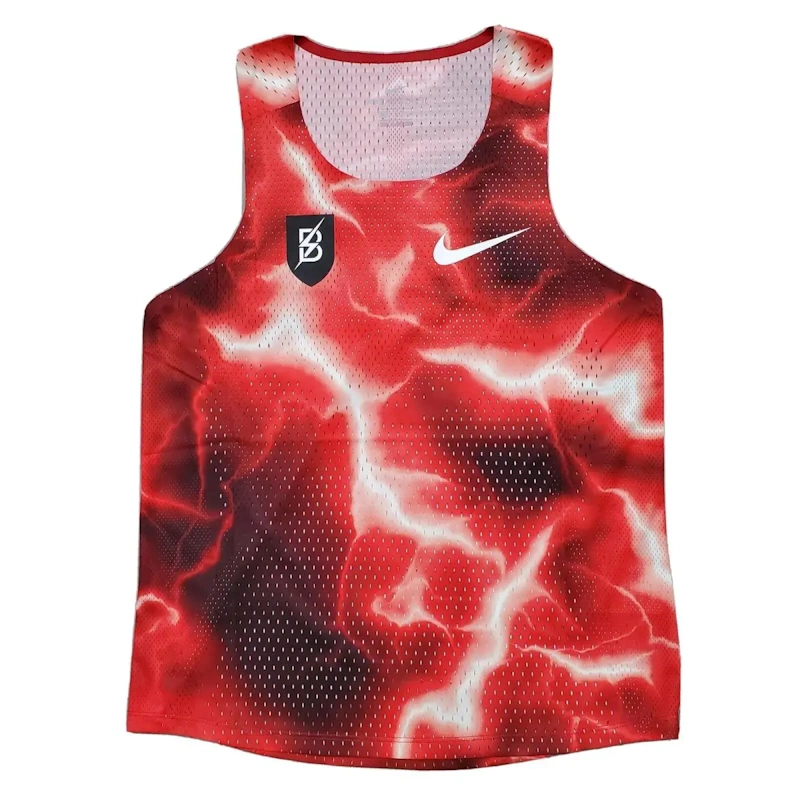
What to look for: lightweight fabric, good ventilation, sweat management, minimal bulk and a comfortable fit that won't interfere with your stride.
2. Trail Running: Running Gear With Extra Protection
Road running and trail running have plenty in common, but your clothing has a harder job once you leave the pavement.On a trail, you're more likely to brush against vegetation, encounter mud and rocks or find yourself exposed to wind and changing weather. Clothing therefore needs to balance the light feel of running gear with a little more toughness.
Abrasion resistance becomes more useful, particularly on technical trails.
Storage matters more too. If you're running around your neighborhood, you may only need somewhere to put a key. Spend a few hours on a trail and you might want to carry gels, a phone, a lightweight layer and other essentials. Trail shorts, tights, jackets and vests often include secure storage specifically for this reason.
Weather protection is another major difference. A lightweight wind-resistant or water-resistant layer can be far more valuable on an exposed trail than it is during a short urban run.
The adidas Terrex Agravic range shows how trail gear combines athletic mobility with the more rugged requirements of outdoor terrain.
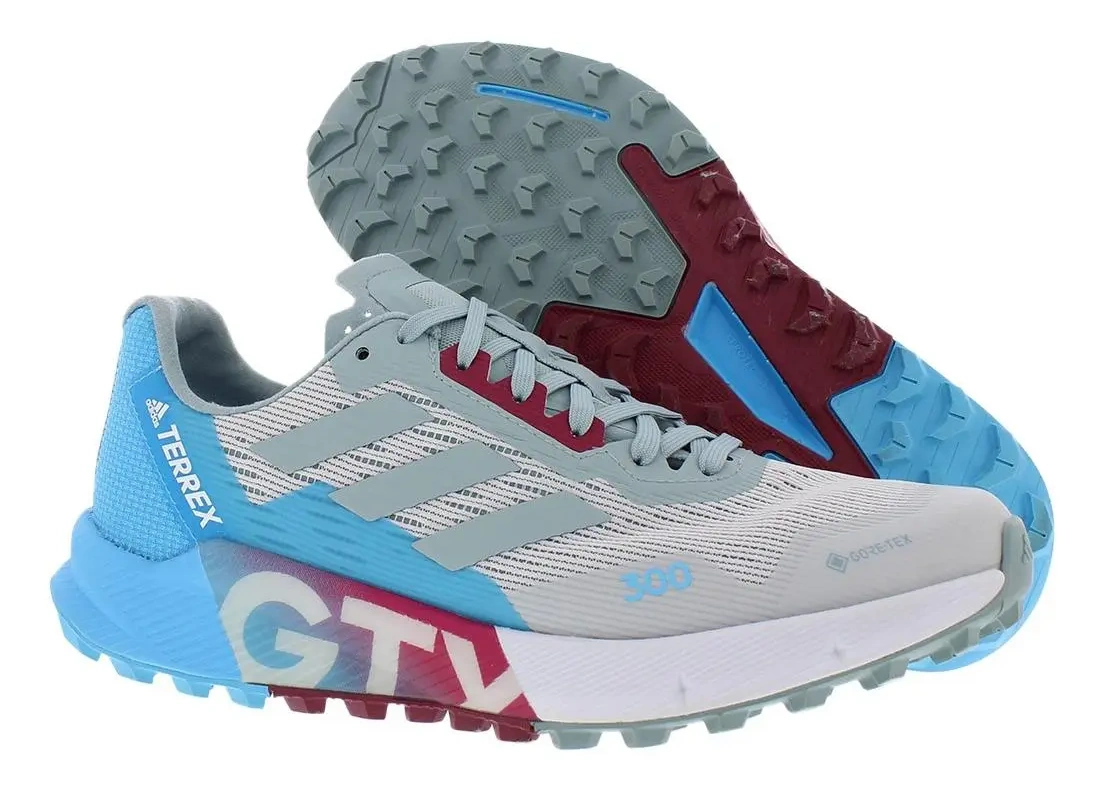
What to look for: breathable but durable fabrics, abrasion resistance, secure pockets, weather protection and a fit that stays comfortable on uneven terrain.
Running vs. Trail Running Sportswear: What's the Real Difference?
Think of trail apparel as running clothing with extra protection and practicality.Road running gear can concentrate heavily on keeping weight down and ventilation high. Trail running clothing has to consider the environment too, which often means stronger fabrics, additional storage and some degree of weather protection.
For an easy run around a city park, you probably won't need those extras. On a long mountain trail, you might be very glad you have them.
3. Soccer: Clothing That Doesn't Get in the Way
Soccer is full of unpredictable movement.You might jog for several seconds, sprint suddenly, stop, turn, stretch for the ball and then accelerate in another direction. Your clothing has to follow all of those movements without becoming a distraction.
Soccer shirts are generally lightweight and highly breathable, while shorts need enough flexibility to let the hips and legs move naturally when running, kicking and changing direction.
The fit is often relatively close or athletic. Not necessarily tight, but close enough that excess material isn't moving around every time you sprint.
Sweat management also matters. Soccer combines continuous movement with short bursts of very high intensity, so clothing can become soaked quickly, particularly in warm conditions.
Take the Nike Academy Dri-FIT range as an example. Its football training pieces use lightweight, sweat-managing materials and are shaped around the movements involved in the game.
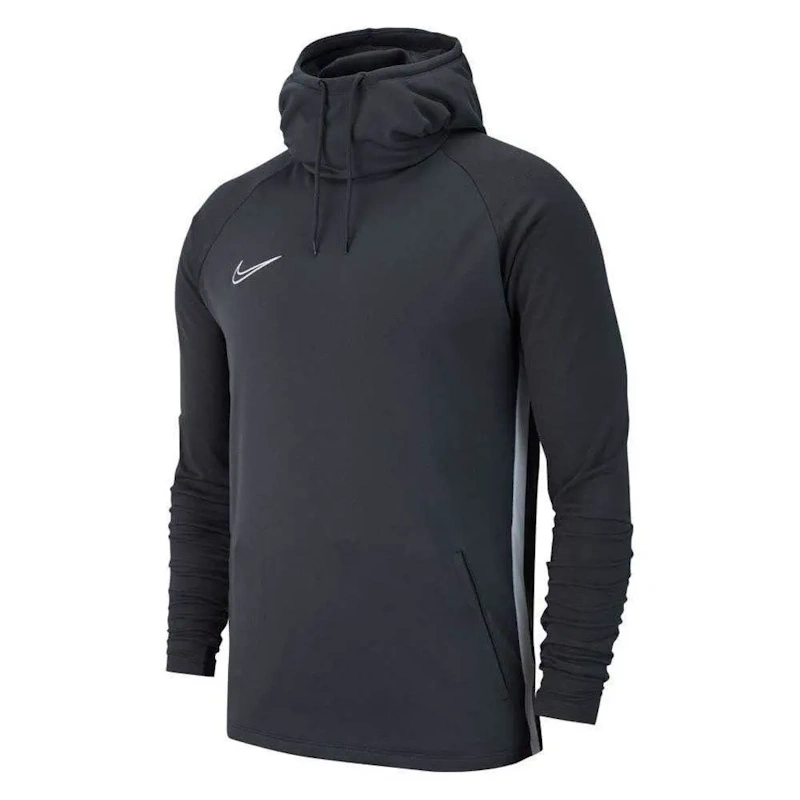
What to look for: lightweight materials, high breathability, flexible shorts and an athletic fit that allows you to sprint, turn and kick naturally.
4. Basketball: Room to Jump, Reach and Change Direction
Basketball clothing has a different job again.Players are constantly switching between forward running, lateral movement, jumping and sudden stops. There's also plenty of upper-body movement when shooting, rebounding and defending.
That makes freedom of movement and ventilation particularly important.
Basketball has traditionally been associated with looser shirts and shorts, although modern performance clothing also comes in more athletic fits. Either can work. What's important is that your clothing doesn't restrict your shoulders, hips or legs when you move explosively.
Ventilation matters as well, particularly during hard sessions on an indoor court where heat can build up quickly.
The Nike Standard Issue collection is a useful example. Many pieces combine basketball-oriented cuts with Dri-FIT fabric technology for moisture management.
What to look for: excellent ventilation, freedom around the shoulders and legs, effective sweat management and a fit that feels natural when jumping or moving laterally.
5. Cycling: Why the Fit Is So Different
Cycling is probably where the difference between general sportswear and sport-specific apparel is easiest to see.Road cycling jerseys are normally much closer to the body than regular athletic shirts. There's a practical reason for that. Loose material catches the wind and flaps around as you ride, while a streamlined fit can reduce unnecessary drag.
There's another important detail: riding position.
Cyclists spend much of their time leaning forward. A cycling jersey is therefore often longer at the back so it continues to provide coverage when you're bent over the handlebars.
Then there are the pockets. Rather than placing bulky pockets at the front, many cycling jerseys have two or three pockets across the lower back. They give riders easy access to snacks, a phone and other small items without interfering with pedaling.
Cycling shorts are even more specialized. Performance cycling shorts and bib shorts typically include a padded insert, commonly called a chamois, which can make a significant difference during longer rides.
The adidas Essentials Cycling Jersey is a good example of the streamlined approach used in cycling clothing.
What to look for: a close aerodynamic fit, longer rear coverage, breathable fabric, useful rear pockets, padded shorts and wind protection when conditions require it.
Why Are Cycling Clothes So Tight?
Aerodynamics is part of the answer, but it's not the only reason.Loose clothing can flap around at speed and become annoying. A close fit also helps keep technical fabrics and padded shorts where they're supposed to be.
Close-fitting doesn't mean uncomfortably tight, though. Good cycling apparel still needs enough stretch to let you pedal naturally and move comfortably on the bike.
6. Tennis and Padel: Think Side to Side
Running is mostly about moving forward. Tennis and padel definitely aren't.A typical rally can have you moving left, right, forward and backward within seconds. Add lunges, serves, overhead shots and rotation through the upper body, and you can see why racket-sport clothing needs a different kind of flexibility.
Good tennis and padel apparel is usually lightweight, breathable and flexible.
Shirts should allow the shoulders and arms to move freely during serves and swings. Shorts, skirts and dresses need enough stretch and room around the hips for lateral steps and lunges.
Long matches also mean sweat management matters, particularly when playing outdoors in hot weather.
The adidas Club Tennis collection is one example of clothing built specifically around the movement and ventilation needs of racket sports.
What to look for: lightweight fabrics, stretch, good sweat management and unrestricted movement through both the shoulders and hips.
7. Gym and Training: The Most Versatile Category
"Gym clothes" can mean almost anything.One person might spend an hour lifting weights. Someone else could be doing burpees, rowing, box jumps and lunges. Another person might combine strength work with 20 minutes on the treadmill.
That's why training apparel tends to prioritize versatility, stretch and durability rather than being optimized for one specific movement.
Think about a squat, for example. Your shorts need to move comfortably through a deep range of motion without pulling at the hips. During an overhead press, your shirt shouldn't ride up every time your arms go above your head.
Durability can be more important here than in running clothing too. Gym gear regularly comes into contact with benches, barbells, machines and flooring.
Fit is largely personal. Some people prefer close-fitting clothing when lifting because there's less material to get in the way. Others are more comfortable in a relaxed training fit.
The adidas Designed for Training (D4T) range illustrates this approach, with apparel designed around movement, breathability and general training.
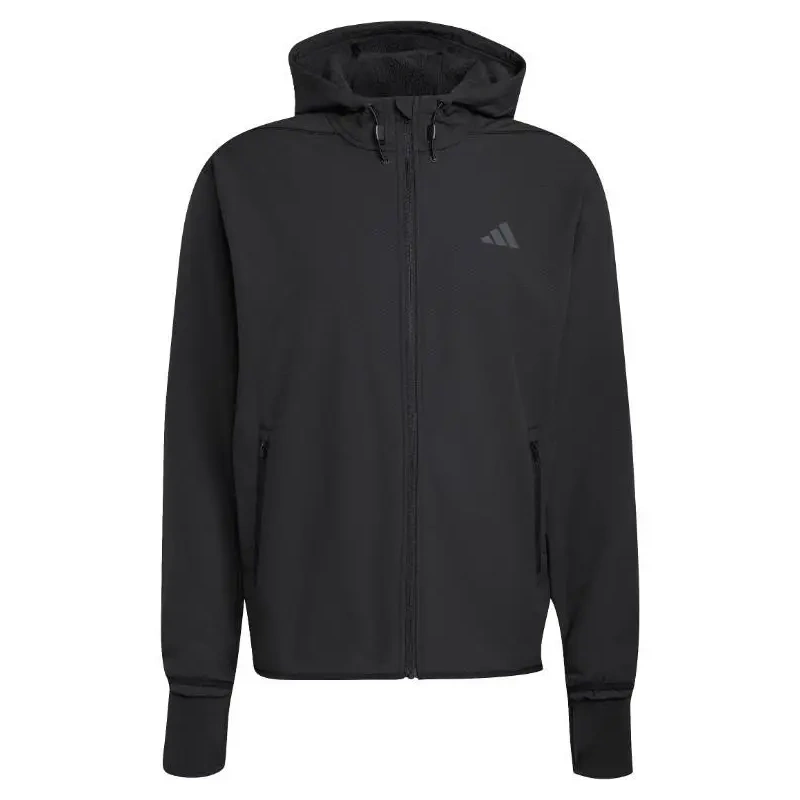
What to look for: stretch, durability, breathability and enough versatility to handle the different movements in your workout.
Can You Just Wear Running Clothes to the Gym?
Absolutely, depending on what you're doing.A lightweight running shirt can be perfectly comfortable for cardio or a general workout. You don't need to buy a different shirt simply because you've walked through the gym door.
The distinction becomes more useful when you start doing strength or functional exercises. Training apparel may offer more stretch and durability for squats, lunges and lifting, whereas running clothing is primarily designed around repeated forward movement.
8. Hiking and Outdoor Sports: Prepare for the Environment
With hiking, you're not only dressing for movement. You're dressing for whatever the outdoors might throw at you.That changes the priorities considerably.
A hiking shirt or pair of pants may need to cope with a backpack rubbing against it for hours, contact with vegetation, changing temperatures, wind and occasional rain.
For that reason, durability, quick-drying performance and weather protection often matter more than shaving a few grams from the garment.
Practical features become useful too. Well-positioned pockets can actually matter on a hike. Stretch panels can make climbing and stepping over obstacles more comfortable, while tougher materials can help in areas that experience more wear.
Layering is another major part of outdoor clothing. Instead of expecting one garment to handle every condition, hikers often combine a moisture-managing base layer with insulation and a protective outer layer as needed.
The Columbia Silver Ridge range is a good example of practical outdoor apparel designed around lightweight protection, comfort and functionality.
What to look for: durable and quick-drying fabrics, useful storage, weather protection, easy layering and enough mobility for uneven terrain.
How Should Sportswear Actually Fit?
There isn't one "correct" sportswear fit.A runner generally wants clothing that sits comfortably without bouncing or rubbing. Soccer players need a relatively streamlined fit that still leaves plenty of room for kicking and sprinting. Basketball players often prefer more room, particularly around the shoulders and legs.
Cycling sits at the opposite end of the spectrum. Here, a close fit makes sense because of aerodynamics and the riding position.
For tennis and padel, concentrate on whether you can rotate, reach and move sideways without restriction. In the gym, try movements such as squats and overhead reaches.
Trail runners and hikers should also consider what they'll be wearing underneath or carrying on top of their clothing.
One of the easiest ways to judge sportswear is simply to move in it before deciding. Don't just stand in front of a mirror. Squat. Raise your arms. Lunge. Twist your torso.
If the garment becomes uncomfortable during the movements you'll actually perform, it's probably not the right fit.
Which Fabric Is Best for Sportswear?
There isn't one magic fabric that works best for every sport.Polyester and nylon are common in performance apparel because they can be lightweight, durable and quick-drying. Elastane is frequently blended into technical fabrics when additional stretch is required.
But don't look only at the fabric label.
How a fabric is constructed can be just as important. Mesh panels, perforated sections and different knit structures can all change how breathable or flexible a garment feels.
Cotton is comfortable and perfectly fine for many casual activities, but it tends to absorb and retain more moisture than technical performance fabrics. During a long or intense workout, a sweat-soaked cotton shirt can become heavy and uncomfortable.
Do You Really Need Different Clothes for Every Sport?
No.And this is where sportswear marketing can sometimes make things seem more complicated than they really are.
A good moisture-wicking T-shirt could easily work for a run, gym session, soccer practice or casual bike ride.
The benefits of specialized clothing become more noticeable as the activity becomes longer, harder or more technical.
If you're cycling around the neighborhood for 20 minutes, you probably don't need a full cycling kit. Spend three hours on a road bike and padded shorts suddenly make a lot more sense.
The same applies to trail running. A short run through a local park doesn't require specialized trail clothing. Several hours on an exposed mountain trail is a very different situation.
So rather than asking, "Do I need sport-specific clothing?", ask a better question:
Would the special features of this clothing actually solve a problem I have during this activity?
If the answer is yes, specialized sportswear is probably worth considering.
Quick Comparison: Which Sportswear Features Matter Most?
| Sport | Features to Prioritize | Example |
|---|---|---|
| Running | Lightweight, breathable, sweat-wicking | Nike AeroSwift |
| Trail Running | Durable, protective, secure storage | adidas Terrex Agravic |
| Soccer | Flexible, breathable, close-fitting | Nike Academy Dri-FIT |
| Basketball | Ventilation, unrestricted movement | Nike Standard Issue |
| Cycling | Aerodynamic fit, padding, rear pockets | adidas Essentials Cycling |
| Tennis / Padel | Lightweight, flexible, lateral mobility | adidas Club Tennis |
| Gym / Training | Stretch, durability, versatility | adidas D4T |
| Hiking / Outdoor | Durability, quick-drying fabric, weather protection | Columbia Silver Ridge |
Frequently Asked Questions
What is the most important feature of good sportswear?
It depends on the sport. Breathability and moisture management are useful for most active sports, but other features can be just as important. Cyclists may prioritize fit and padding, trail runners need durability and storage, and gym users often need additional stretch.Should sportswear be tight or loose?
It should be appropriate for the movement you're doing. Cycling apparel is generally close-fitting, while basketball clothing can be considerably looser. Neither approach is automatically better. What matters is whether the clothing stays comfortable and allows unrestricted movement.What sportswear is best if you sweat a lot?
Start with lightweight, breathable clothing made from quick-drying, moisture-managing fabric. Mesh panels or strategically ventilated areas can also help during intense exercise.What's the difference between running clothes and training clothes?
Running apparel is mainly optimized for repetitive forward movement, breathability, low weight and moisture management. Training clothing needs to accommodate a broader range of movements and may place more emphasis on stretch and durability.Can I use the same sportswear for several sports?
Of course. There's a lot of crossover, particularly for recreational exercise. Specialized clothing becomes most useful when a sport has specific requirements, such as padded cycling shorts, weather-resistant trail gear or highly flexible training apparel.Final Thoughts: Choose for the Sport, Not Just the Look
There's nothing wrong with choosing sportswear because you like how it looks. But if you're actually going to train in it, take a minute to think about what you'll be asking that clothing to do.A runner needs light, breathable clothing that stays comfortable over thousands of strides. A trail runner needs some extra protection. Soccer demands freedom around the legs. Basketball adds explosive jumping and lateral movement. Cyclists benefit from close-fitting apparel and padding. Tennis and padel require easy side-to-side movement. Gym clothing needs versatility, while hiking apparel has to cope with the environment.
You don't necessarily need eight different wardrobes for eight different sports.
You just need to pay attention to how you move, how much you sweat, how long you'll be active and where you'll be doing it.
Those four questions will usually tell you far more about the sportswear you need than the label on the rack.